 Edward DP Situmorang
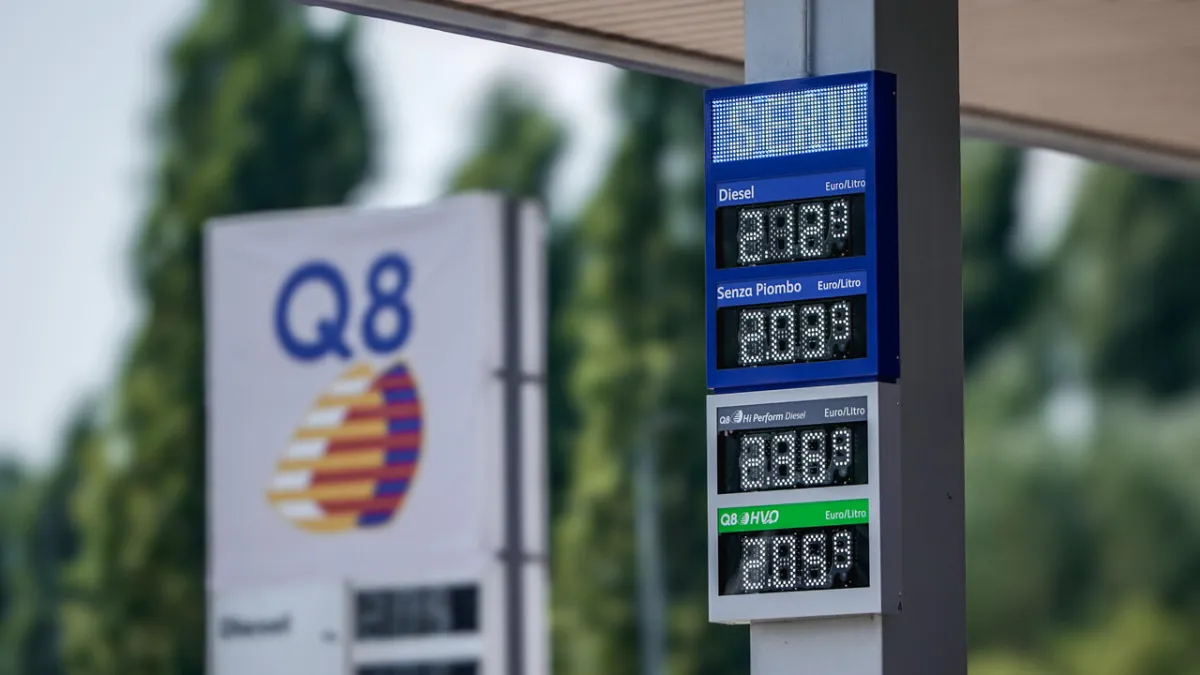
ROME – Italy's highway diesel price has soared back to 2.173 euros per liter in 2026, matching levels observed before government intervention through the decreto accise or excise tax law. This situation has significantly sparked new concerns for consumers and the transportation sector across the country.
The excise decree was previously enacted as a strategic measure to alleviate the pressure of surging fuel prices, providing much-needed financial relief to the public. This policy represented a critical response by the Italian government to stabilize the domestic economy, which is vulnerable to energy shocks.
The figure of 2.173 euros per liter is specifically observed on Italy's main highway network, often serving as a barometer for fuel price fluctuations nationwide. This price hike clearly marks the end of the subsidy period or tax reductions previously enjoyed by fuel users.
The return of diesel prices to pre-intervention levels will automatically burden the budgets of Italian households. Personal transportation costs and daily logistics are expected to increase drastically, potentially reducing purchasing power significantly and affecting the quality of life.
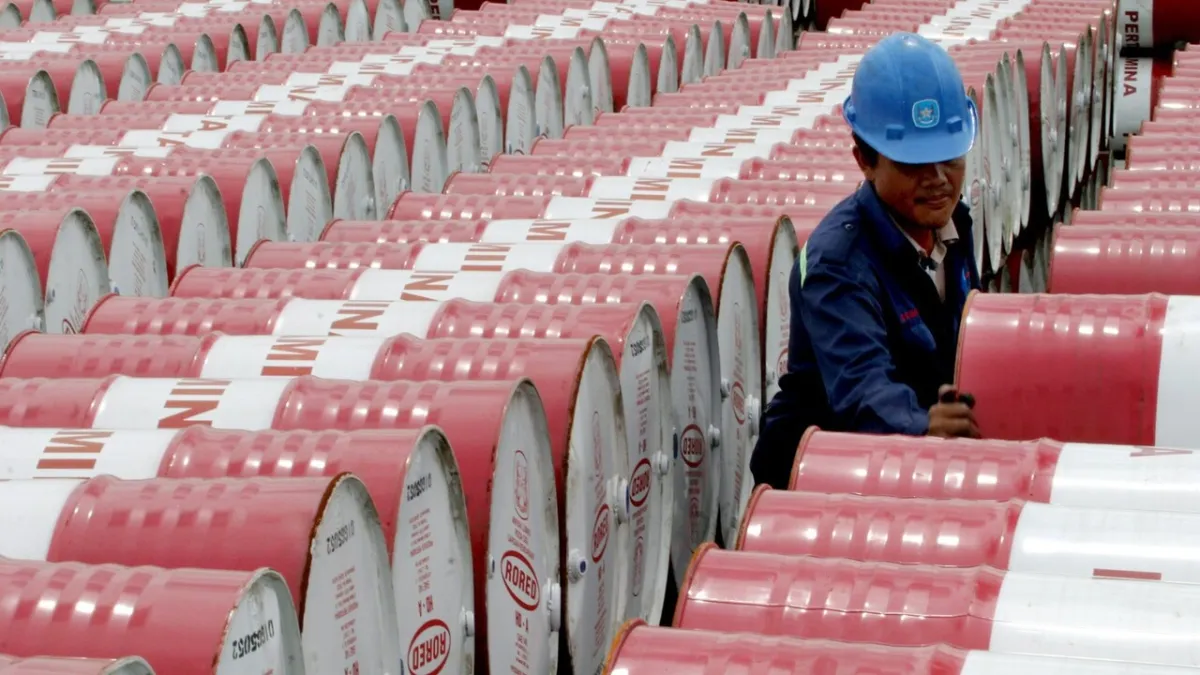
The logistics and goods transportation sectors, which form the backbone of the economy and are highly dependent on diesel, will now face substantial increases in operational costs. This impact can ripple through to higher prices for products and services in general, fueling further inflationary pressures amidst global economic challenges.
Several economic analyses suggest that the diminishing effectiveness of government policy is likely due to the expiration of the decree's implementation period, changing global market dynamics, or fiscal pressures that render subsidy schemes unsustainable for state finances.
The Italian government is now faced with a crucial dilemma between efforts to maintain fiscal discipline and the obligation to protect its citizens from increasingly heavy economic burdens. Decisions regarding the next steps will be pivotal for the country's economic and social stability.
Energy price fluctuations are not an unfamiliar phenomenon in Europe, often influenced by global geopolitical complexities, crude oil production levels, and shifts in energy demand. Italy, as a major energy importer, is highly susceptible to these global market dynamics.
The public and various consumer associations in Italy have begun to voice their concerns loudly. They are calling on the government to promptly review current energy and fiscal policies to protect the purchasing power and welfare of citizens.
With fuel prices once again turbulent, Italy's economic outlook remains uncertain. Consumers and businesses must prepare for potential ongoing price volatility and its impact on financial planning.
Editorial Insight: The return of diesel prices in Italy to pre-subsidy levels reflects the complexity of economic management amidst fiscal pressures and global energy market dynamics. It underscores that government interventions are often temporary. This situation demands a comprehensive, rather than merely reactive, policy response to ensure Italy's long-term economic stability and national energy security without unduly burdening the state coffers.