 Demian Sahputra
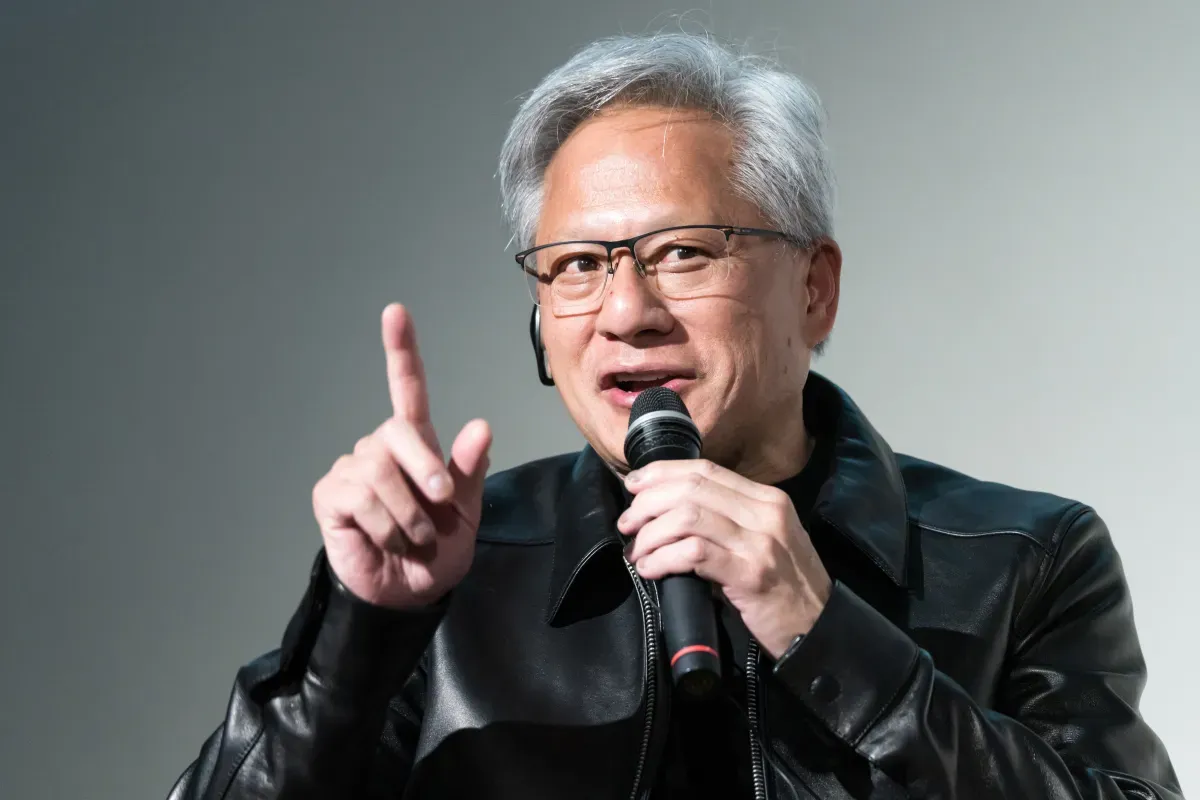
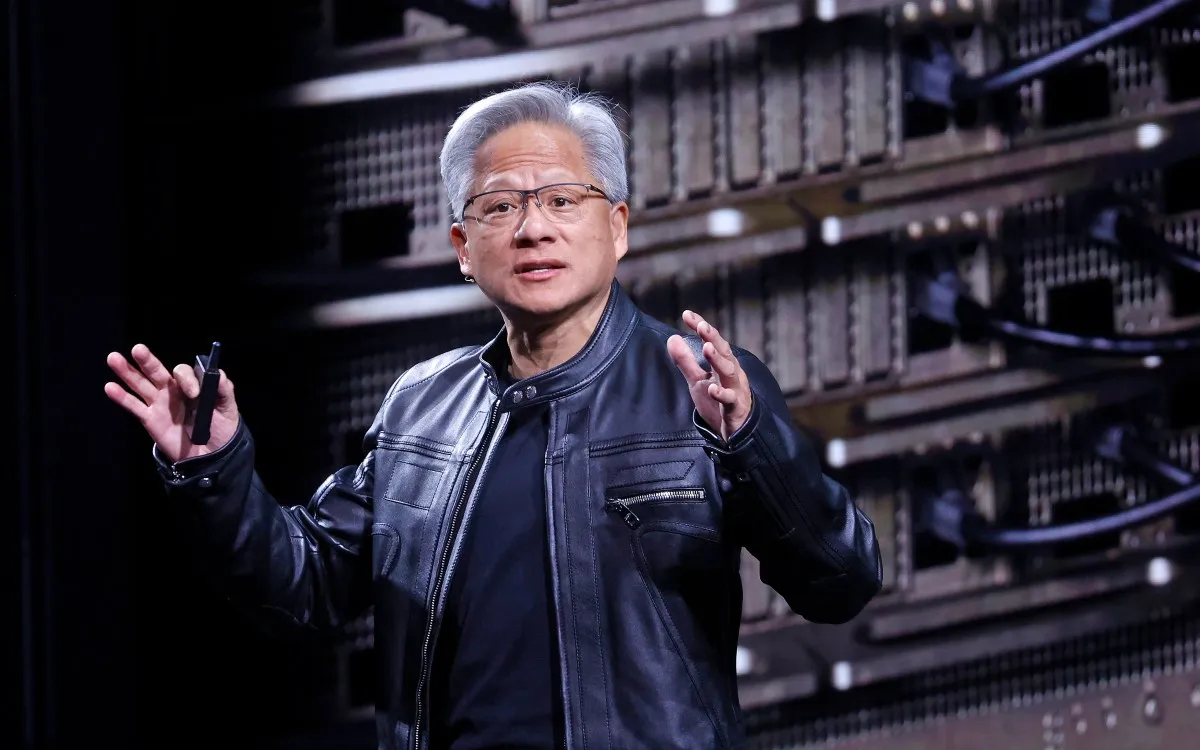
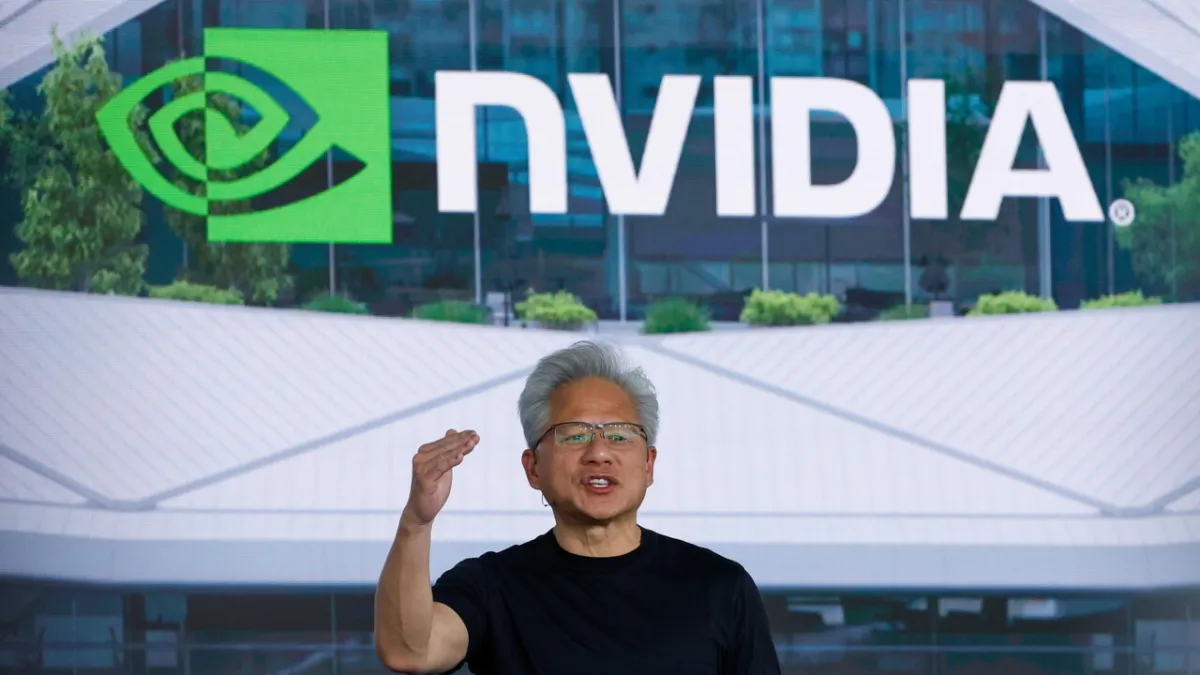
JAKARTA – The global technology industry was rocked by the return of Jensen Huang as CEO of Nvidia on Monday morning in 2026, an unexpected move given the controversy surrounding his previous resignation. Huang resumes leadership of the semiconductor giant whose foundations are crucial for the world's artificial intelligence (AI) infrastructure, despite the shadow of an ethics scandal still hanging over his reputation.
Huang's earlier resignation was triggered by a series of revealed romantic affairs. The most notable cases involved a subordinate at Nvidia and a woman reportedly linked to Chinese intelligence services. This issue raised serious questions about corporate governance and potential national security risks amidst Nvidia's dominance in the AI sector.
The return of this visionary leader immediately sparked various speculations among market analysts and industry stakeholders. Although his expertise in driving Nvidia's innovation is undisputed, the presence of such a sensitive personal scandal has the potential to erode investor confidence and strategic partnerships. Moreover, as mentioned in a related article, the United States is now actively pursuing global dominance in AI development.
Nvidia, under Huang's leadership, has positioned itself as a key player in the AI revolution. Its graphics processing units (GPUs) serve as the backbone for developing large language models (LLMs), autonomous vehicles, and even the most advanced scientific research. Without the infrastructure provided by Nvidia, many modern AI innovations might not have materialized as quickly and efficiently as they have.
However, Huang's personal track record is now under intense scrutiny. A romantic relationship with a subordinate is believed to violate corporate ethical standards prevalent in many leading technology companies. This situation could create an unhealthy work environment and question the integrity of top leadership.
Furthermore, the alleged ties of the woman in the scandal to Chinese intelligence adds a complex geopolitical dimension. In the current climate of fierce technological competition between the United States and China, sensitive information or potential external influence could have significant strategic implications for Nvidia, a company vital to US technological security.
The board of directors' decision to recall Huang indicates they value his strategic contributions and vision as more essential to Nvidia's continuity and growth than the potential reputational risks. This highlights the critical position Nvidia holds in the global AI landscape today.
Industry observers are now waiting to see how Huang will address these challenges. Will he be able to restore public and internal company trust? How will Nvidia manage the narrative around this controversial leadership, especially in the eyes of regulators and governments increasingly scrutinizing the technology sector?
These questions are crucial. The continued dominance of Nvidia in the AI market heavily relies on leadership stability and the perception of its integrity. Investors will closely monitor every move Huang makes and the impact of this scandal on the company's stock value and innovation.
Editorial Insight: Jensen Huang's return to Nvidia's helm is a high-stakes gamble. On one hand, his unparalleled vision is essential to maintain the pace of innovation in the AI sector. On the other, the shadow of ethical scandals and potential national security risks will be a heavy burden. This decision likely reflects a dilemma between retaining a visionary genius and upholding strict corporate governance standards. Nvidia's future, and indeed a significant portion of the AI industry's direction, will largely depend on Huang's ability to navigate this storm with exceptional wisdom and integrity.