 Chandra Wijayanto
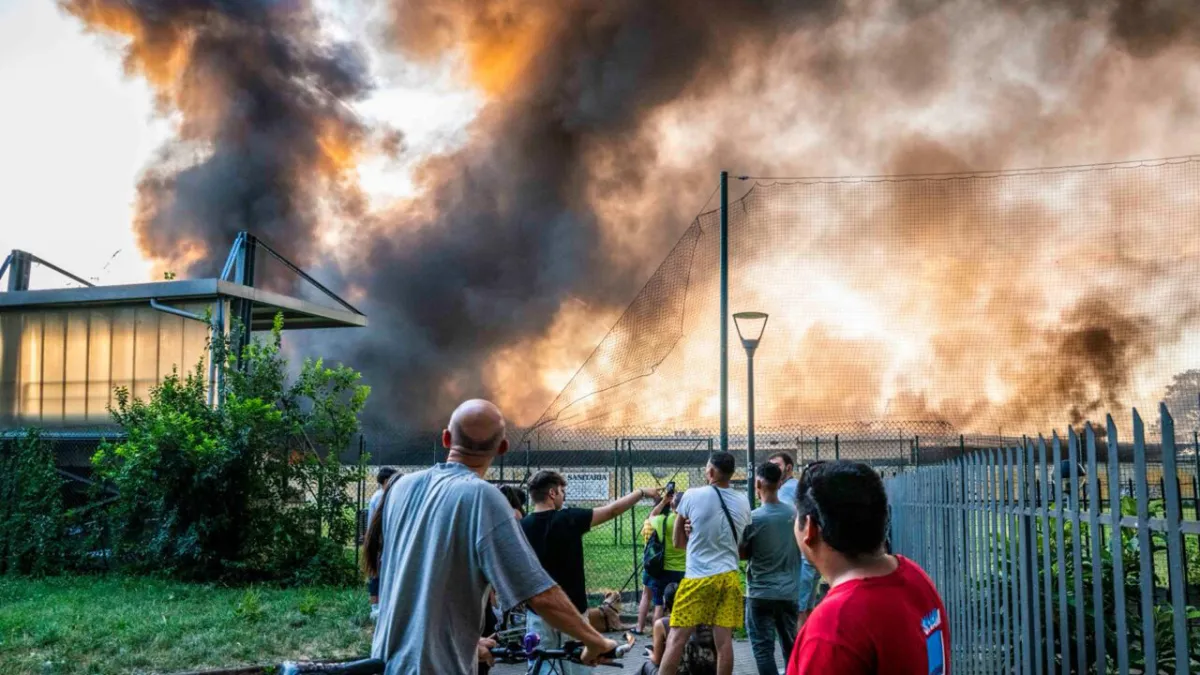
Milan — A massive fire incident rocked the industrial and residential district of Bovisa, in northern Milan, last weekend, leaving behind devastation and igniting serious concerns among residents. Preliminary investigations, now being conducted intensively by local fire department and police teams, along with forensic experts, strongly suggest that the primary cause of this tragedy originated from surriscaldamento (overheating) in a battery unit within a storage pack. These initial findings explicitly rule out the possibility of intentional acts or criminal activity as the fire's trigger.
The rapidly spreading fire was first reported on Saturday evening. The blaze, engulfing a building on Via Bovisasca, created thick plumes of smoke that rose high into the sky, visible from various parts of the city and prompting a large-scale emergency response. Firefighters battled for hours to contain the raging inferno, which threatened to spread to surrounding areas.
The Bovisa area, known as a hub of innovation and home to the Polytechnic University in Milan, is a vital district with a mix of industrial, commercial, and residential buildings. The presence of a densely populated location and other important facilities makes this incident a serious concern for the city government and the entire Milanese community. The extent of the damage is still being estimated but is confirmed to involve significant material losses.
The initial suspicion regarding battery overheating is a major focus of the investigation. In the modern era of 2026, the use of high-capacity batteries, especially lithium-ion, has become widespread across various sectors, from electric vehicles and electronic devices to large-scale energy storage systems. However, this technology also carries potential risks, one of which is the phenomenon of thermal runaway that can trigger severe fires if not managed with strict safety standards.
Authorities from the Milan Public Prosecutor's Office, through an initial statement to the media, confirmed that no strong evidence pointing to sabotage or intentional arson was found. This confirmation provides some relief amidst the anxiety, while also shifting the investigation's focus entirely to technical aspects and potential systemic failures.
"We are working diligently to collect every piece of evidence on the ground to understand precisely what happened," said a spokesperson for the investigative team, who wished to remain anonymous, citing the case's sensitivity. "Our priority is to ascertain the cause to prevent similar incidents from recurring in the future."
This incident once again highlights the importance of strict regulations and oversight for the storage and use of high-capacity batteries in urban environments. With the increasing adoption of renewable energy solutions and electric vehicles, the risks associated with battery safety become a crucial issue requiring serious attention from manufacturers, regulators, and consumers alike.
Energy and safety experts warn that although major incidents are rare, the potential dangers of battery failure cannot be ignored. They emphasize the need for improved testing standards, certification, and public education on the safe handling and recycling of batteries to minimize thermal risks.
Milan's community now awaits the final investigation results, which are expected to provide comprehensive clarity. This event in Bovisa has the potential to spark further discussions on the legal framework and operational standards for energy storage installations, especially in densely populated areas, to ensure long-term safety for all residents.
The investigative committee pledges to operate transparently and thoroughly, presenting a full report in the coming weeks. This incident, though tragic, is hoped to serve as a valuable lesson in managing the risks of modern technology amidst rapid innovation.