 Demian Sahputra
TEHRAN — The Middle East region is once again in turmoil after the United States and Iran engaged in a new wave of retaliatory military attacks, sparking fears of a broader conflict escalation in early 2026. The incidents, confirmed by both sides, further deepen instability in one of the world's most strategic regions.
This wave of attacks began when Iranian military units launched what they described as retaliatory actions against the presence of foreign forces in regional waters. Several unspecified targets were claimed to have been hit. However, Washington quickly responded, accusing Tehran of provocation and threatening maritime stability.
A statement from the United States Central Command (CENTCOM) confirmed that they had launched precise retaliatory strikes against military facilities linked to Iran's Revolutionary Guard. These strikes reportedly targeted infrastructure used to support maritime operations deemed threatening to international shipping lanes in the Persian Gulf and the Strait of Hormuz.
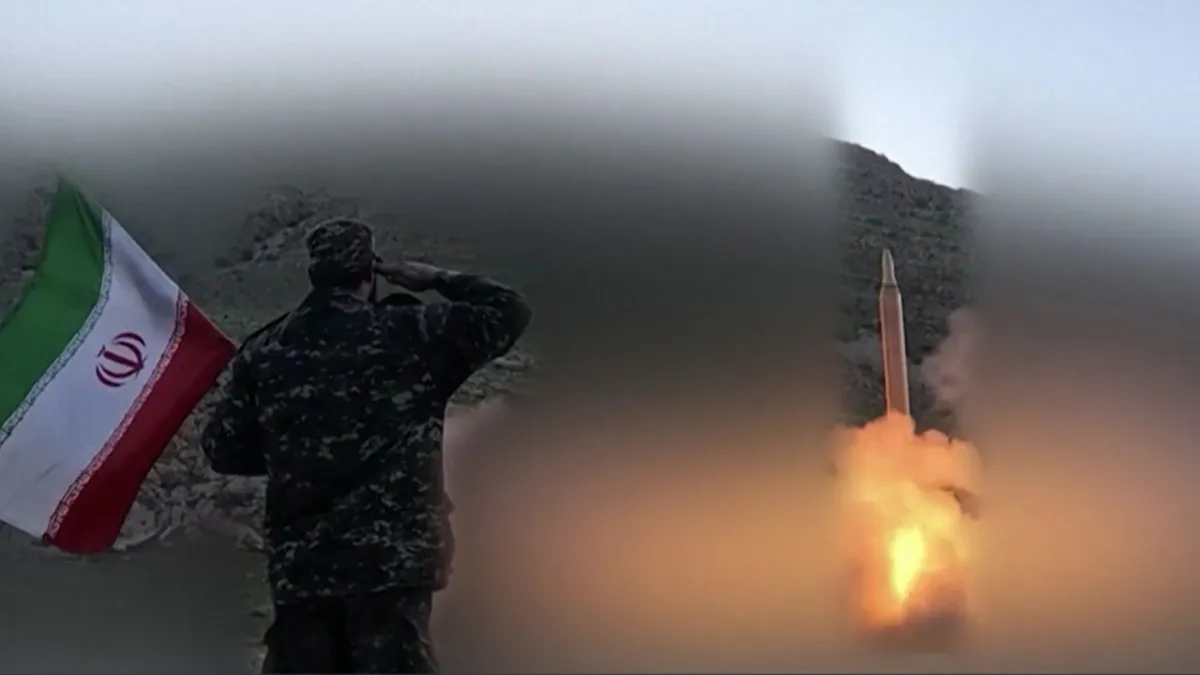
The Islamic Revolutionary Guard Corps (IRGC) did not remain silent. They immediately issued a statement condemning the United States' actions as blatant aggression. The IRGC also circulated images and videos claimed to show their combat readiness and the impact of the strikes they had previously launched.
International political analyst, Dr. Ahmad Syarif from the University of Indonesia, highlighted that this incident is a continuation of a long-standing pattern of tension. "This is not the first time we've seen military exchanges in this region. Every action invariably triggers a retaliatory reaction, creating a vicious cycle of escalation," said Dr. Syarif.
This event also recalls several previous incidents, including a period when Iran blocked the crucial Strait of Hormuz, which was then met with missile strikes by the United States. A similar situation occurred when Iranian missiles targeted several Gulf states and the United States launched massive counter-strikes.
The United Nations Security Council (UNSC) immediately convened an emergency meeting. The UN Secretary-General urged both parties to exercise restraint and seek diplomatic solutions to prevent open conflict. Global concerns over oil supply and world economic stability surged sharply.
Global crude oil prices jumped significantly after news of these attacks broke, reflecting market anxiety about potential disruptions to vital shipping lanes in the Persian Gulf. This route, a major artery for global oil shipments, is highly vulnerable to armed conflict.
Tehran had previously also issued threats of revenge against countries deemed allied with the United States or involved in sanctions against them. Although not directly mentioned, these latest incidents can be seen as part of a broader strategy.
The Pentagon reiterated that its actions were defensive and aimed at protecting US interests and freedom of navigation. They also stated their readiness to respond to any further provocations from Iran.
In 2026, the situation in the Gulf region remains a geopolitical flashpoint. Without constructive dialogue and restraint from key actors, the cycle of violence and uncertainty is predicted to continue. The international community hopes for serious efforts to de-escalate tensions before reaching a point of no return.
This incident underscores the urgency of resolving conflicts through diplomatic channels. However, history shows that conflict resolution between the United States and Iran often reaches an impasse due to deep-seated mistrust and conflicting strategic interests.
The world awaits concrete steps from the international community to pressure both sides to come to the negotiating table. Without effective intervention, this spiraling Middle East crisis has the potential to escalate into a much larger and more destructive confrontation.