 Stefani Rindus
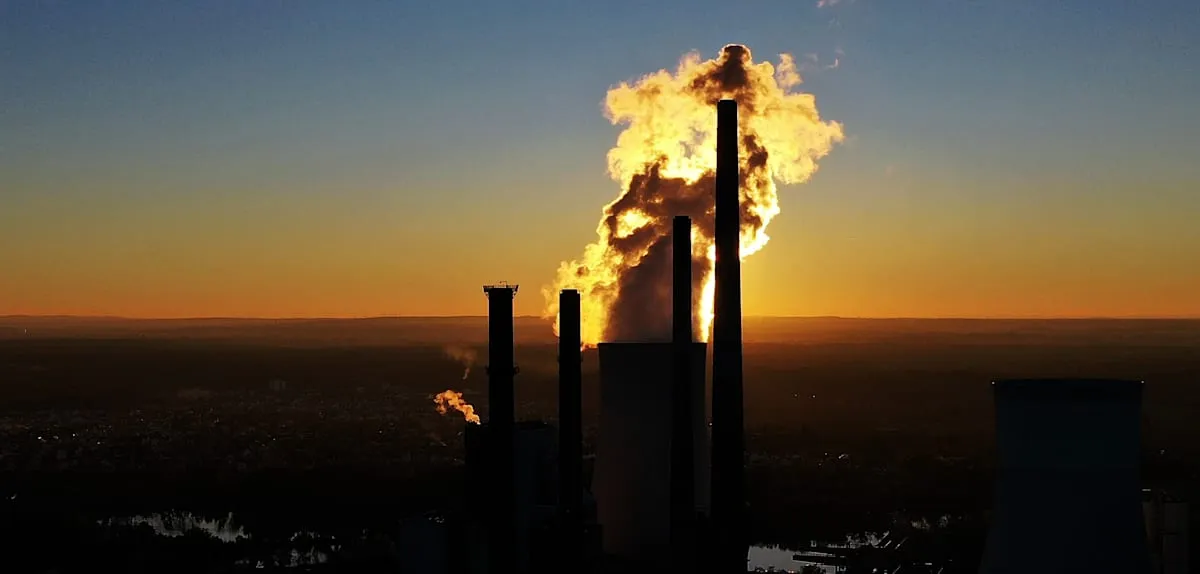
BERLIN — Germany, through its latest power plant policy, has surprisingly announced a fundamental shift in its energy transition, prioritizing natural gas-fired power plants. This decision, believed to make the German energy market attractive for investment once again, prompted a reaction from Uniper CEO Michael Lewis in mid-2026, who asserted that the expansion of renewable energies would now drop down the national priority list.
This strategic move is encapsulated in Germany's new power plant bill, a comprehensive regulation redesigned to navigate the complexities of the energy landscape. The bill's primary focus is the substantial development of new gas-fired power generation capacity, deemed a crucial temporary solution to ensure grid stability while waiting for renewable energy infrastructure to reach full maturity.
Michael Lewis, Chief Executive Officer of Uniper, in his interview with WELT during this period, expressed significant optimism. “The German market is investable again,” Lewis stated, highlighting a more conducive policy climate for long-term energy sector investments after a period of uncertainty. This statement sends a positive signal to industry players who have long awaited regulatory clarity.
This announcement, however, implies a radical change in Germany's energy priorities. Lewis explicitly indicated that the pace of renewable energy development, previously a cornerstone of the 'Energiewende' strategy, would experience a slowdown. The positioning of natural gas as a transitional bridge apparently requires greater resource allocation and focus, shifting the dominance of the green agenda.
The German government's decision is not without strong reasons. Energy supply stability, especially in the face of constantly changing global geopolitical dynamics, is a primary consideration. Uncertainty in gas supply from Russia due to the conflict in Ukraine, as touched upon in Russia's Nuclear Threat Intensifies Amid Ukraine Air War Escalation, has spurred the need for diversification and stronger domestic supply assurances.
Economic observers view this policy as a pragmatic effort to balance climate ambitions with economic realities and energy security. Investment in gas-fired power plants is seen as a more rapidly implementable solution compared to large-scale renewable energy projects, which often face complex infrastructure and permitting challenges.
Nevertheless, this shift in priorities also raises questions about Germany's long-term commitment to net-zero emission targets. Environmental organizations have voiced concerns that investments in gas infrastructure could lock Germany into fossil fuel use for decades to come, potentially hindering the achievement of European Union climate targets.
Regionally, the impact of this policy is expected to be felt across Europe. As the continent's economic powerhouse, Germany's energy decisions often set a precedent. Other European nations may reconsider their energy transition strategies, especially if they face similar pressures regarding supply security and grid stability.
The German government itself affirms that this step is part of a broader transition strategy, not an abandonment of renewable energy. Natural gas is considered a crucial partner to ensure a stable electricity supply during a period when wind and solar capacity cannot yet fully meet the nation's continually rising energy demand.
Germany's energy future in 2026 and beyond will heavily depend on how the government can navigate the balance between the urgent need for energy security, investment attractiveness, and commitment to environmental sustainability. This new power plant law marks a new chapter full of challenges and opportunities for the European energy landscape.