 Angel Doris
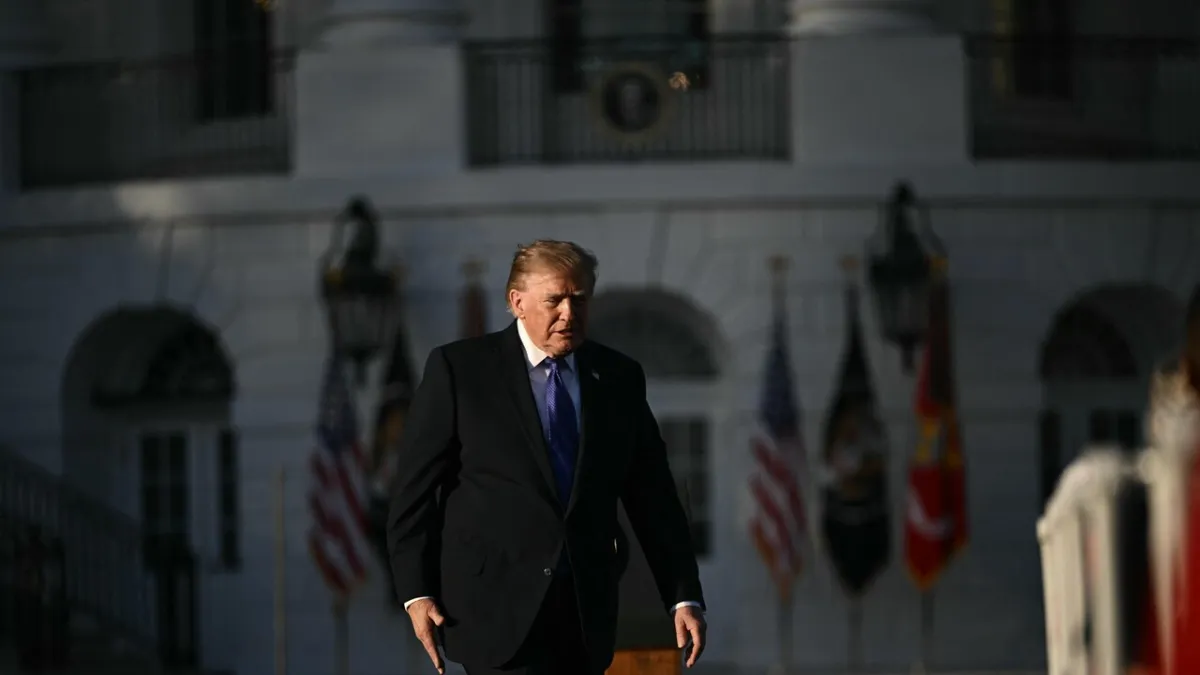
WASHINGTON – United States President, Donald Trump, surprised the Washington political stage in early 2026 by signaling his willingness to collaborate with the Democratic Party in the new Congress. This unexpected initiative centers on a joint effort to set an upper limit on the commissions charged on credit card transactions, a move widely seen as a boost for consumer protection.
A statement from the White House indicated that President Trump sees potential for cross-party political synergy on issues that directly impact the economic well-being of the American people. Such collaboration is rare in the often-divided US political landscape, especially after tight election cycles.
The primary focus of this collaborative discourse is a cap or limitation on credit card fee charges. This is an issue that has long been a concern for many consumers who feel burdened by high levies from card issuers and payment networks.
Even more surprisingly, President Trump's proposal received a positive reception from one of his political arch-rivals, Senator Elizabeth Warren of Massachusetts. Senator Warren, a vocal critic of Wall Street and a prominent consumer protection advocate, openly expressed her agreement with the idea.
This is an important step forward for millions of working families across America, a spokesperson for Senator Warren stated, quoting the senator. Capping credit card fees will alleviate financial burdens and ensure a fairer system for all.
Senator Warren's involvement underscores the potential power of this issue to transcend traditional partisan lines. Warren has consistently championed stricter regulation of the financial industry. Her support lends significant weight to the proposal put forth by the Trump administration.
Political analysts suggest that this moment could set an important precedent for President Trump's second term. A willingness to find common ground with political opponents on domestic issues might be a strategy to build broader consensus and achieve legislative victories.
Nevertheless, the path to legislation remains long and challenging. Details on how credit card commission limits will be implemented, and their impact on banks and card companies, will be the focus of intense debate in Congress. Financial industry lobby groups are expected to launch resistance.
Some economic observers anticipate that these limits, if passed, could save consumers billions of dollars annually. However, there are also concerns that banks might seek other ways to compensate for lost revenue, such as increasing annual fees or reducing reward programs.
This development has the potential to reshape the landscape of the American financial industry. President Trump's decision to approach Democrats, and Senator Warren's positive response, demonstrate changing political dynamics in 2026, where populist economic issues can create unexpected coalitions.
It also presents a rare opportunity for both parties to demonstrate to voters that they can work together for the public good, despite profound ideological differences. This policy, if successful, could become a highlight of this year's legislative agenda.
Editorial Insight: The unusual collaboration between President Trump and Senator Warren on capping credit card fees reflects a shifting political focus towards economic issues that directly impact everyday citizens. This is not merely a political agreement, but a strong indication that public pressure on financial corporations can compel political elites to transcend traditional ideological boundaries. The successful implementation of this policy will be a crucial test of bipartisan capacity in Congress and could reshape public expectations for economic governance in the years to come.