 Demian Sahputra
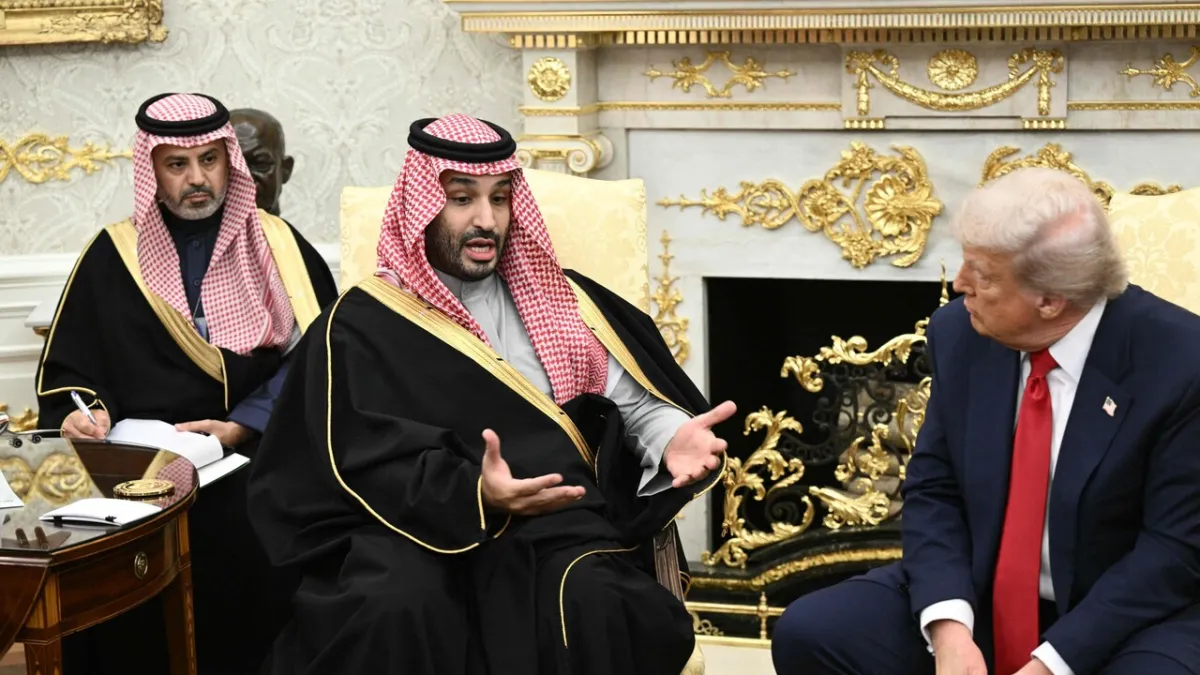
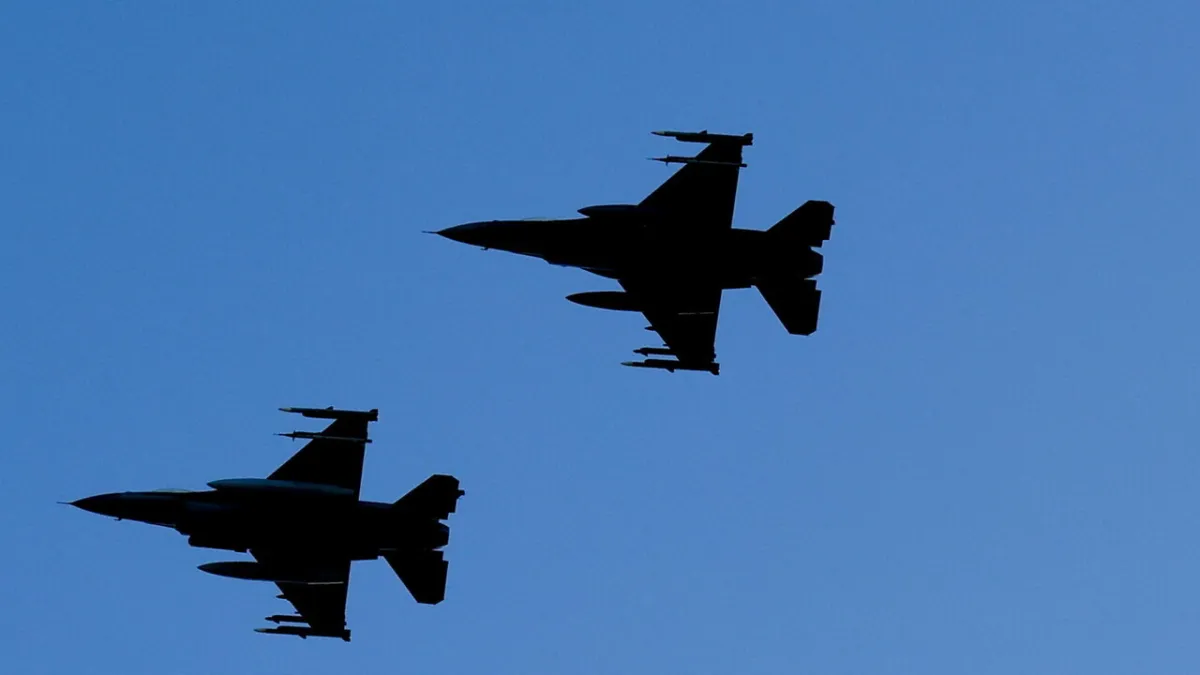
TEHRAN — Geopolitical tensions in the Middle East have escalated to a critical point. The United States has aggressively launched its tenth consecutive wave of airstrikes against Iran, marking a significant military escalation. Amidst this series of retaliatory actions, President Donald Trump has vowed to avenge the deaths of three fallen US soldiers, affirming his resolve as he prepares to receive their remains.
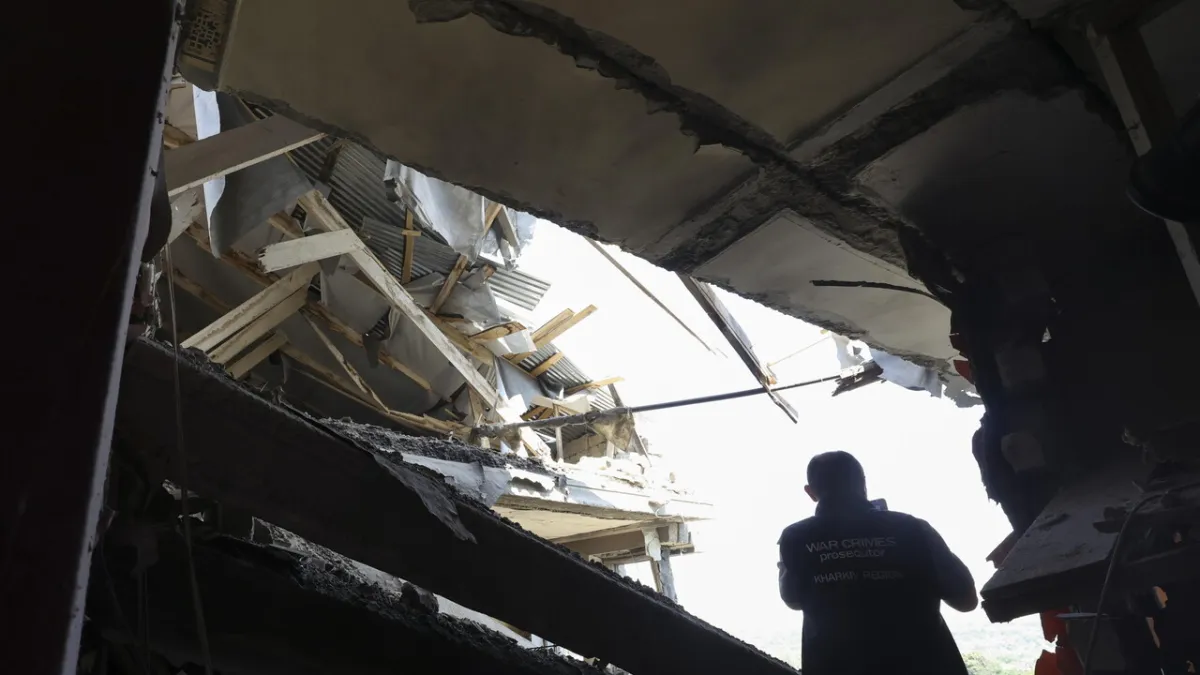
These massive airstrikes, ongoing for ten consecutive nights, have targeted a number of strategic positions within Iranian territory, sparking fears of a larger-scale conflict. The Pentagon has yet to release specific details regarding the targets or the overall impact of these operations, but their intensity signals a serious response from Washington.
A White House spokesperson, during an emergency press conference, confirmed that President Trump will personally greet the arrival of the three fallen servicemen's remains. “The President is deeply saddened by this loss and has vowed that there will be proportionate retribution,” she stated. This stance underscores the strong commitment of the US administration to the security of its military personnel on the global stage.
The incident that led to the deaths of the US soldiers occurred several days prior, adding to the long list of tensions between the two nations. While the specifics of the attack that killed the servicemen are still under investigation, the current US military response clearly demonstrates seriousness and a determination not to tolerate threats against its forces.
The US-Iran conflict has deep historical roots, characterized by distrust and ideological differences. This escalation exacerbates an already fragile relationship, potentially triggering an uncontrollable spiral of violence. The world now holds its breath, fearing wider regional destabilization.
This crisis also reignites discussions regarding regional stability in the Middle East. Neighboring countries and US allies in the region are apprehensive about potential domino effects. International political analysts are closely observing how these developments will influence power dynamics and alliances in the area. The situation in the Gulf is further heating up, as highlighted in our article on Gulf Tensions: Houthi Blockade of Riyadh, Crucial US-Iran Ceasefire in 2026.
The Iranian government, through its Ministry of Foreign Affairs, has condemned the US attacks as an “unacceptable violation of sovereignty” and warned of serious consequences. However, they have not specifically announced what retaliatory steps will be taken, maintaining an air of mystery amidst the threats.
Military analysts predict that Tehran may seek ways to respond without provoking an all-out open war, perhaps through proxies or cyberattacks. However, domestic pressure to demonstrate strength could also prompt more direct and provocative actions.
In Washington, President Trump's actions have garnered broad support from most Republican politicians, who urged a strong response to attacks on US forces. However, opposition factions have called for a more cautious approach, concerned that escalation could drag America into a protracted and costly conflict.
World leaders and international organizations have urged all parties to exercise restraint and seek diplomatic solutions. The UN Secretary-General has issued a statement calling for immediate de-escalation and constructive dialogue, emphasizing the importance of maintaining global peace and security.
The situation on Iran's borders and at US military bases in the region remains on high alert. Military personnel and civilians in vulnerable areas have been instructed to heighten vigilance. Non-essential evacuations may be considered if tensions continue to worsen.
The economic consequences of a wider conflict are also a concern. Global oil markets have shown volatile reactions, with prices of this strategic commodity potentially surging dramatically if vital shipping lanes in the Persian Gulf are disrupted.
International media narratives are now dominated by these developments, with various speculations regarding the next steps from both sides. Every statement and military movement is closely monitored, seeking clues about the direction of this still-unfolding conflict.
It is crucial for all parties to prioritize communication channels and diplomacy to avoid fatal miscalculations. The history of conflict in the Middle East teaches that rapid escalation often results in significant losses for all involved.
The international community now anxiously awaits Tehran's next response and whether diplomatic efforts can de-escalate this increasingly fiery crisis before it is too late. The arrival of the US soldiers' remains on home soil will also be an emotional moment that could solidify President Trump's resolve.