 Dodi Irawan
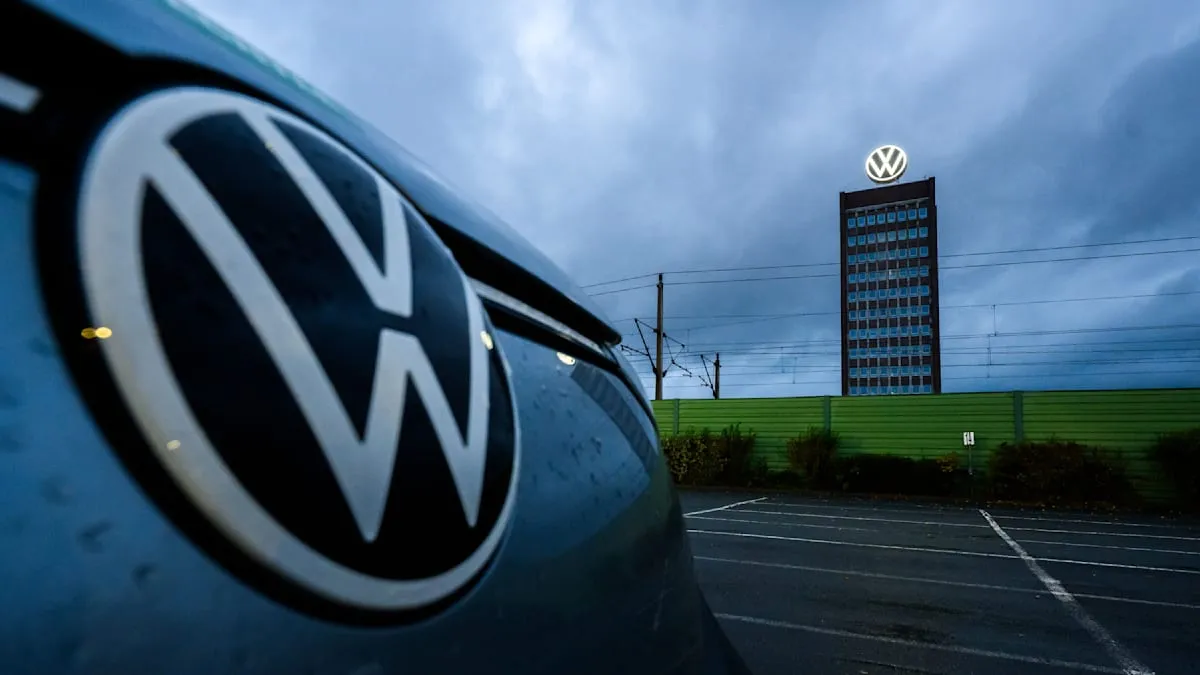
WOLFSBURG — Global automotive giant Volkswagen (VW) is reportedly evaluating a drastic plan to cut up to 100,000 jobs worldwide. This potential mass layoff comes amid sharp scrutiny of the company's seemingly unsystematic strategy in navigating the future of the automotive industry, according to industry experts.
Reports from leading German media outlets in early 2026 indicate that VW management is considering significant restructuring measures to enhance operational efficiency and global competitiveness. Internal discussions regarding workforce reduction have become a critical issue recently.
Ferdinand Dudenhöffer, a prominent automotive expert, criticized VW's approach. “It seems more like the company is stumbling step by step into the future, rather than having a coherent plan,” he stated. Dudenhöffer's remarks highlight the perceived lack of a clear long-term vision from the legendary car manufacturer.
The automotive industry is indeed undergoing fundamental transformation, particularly with the accelerated transition towards electric vehicles (EVs) and autonomous technology. Competition is intensifying, not only from traditional players but also from aggressive tech startups and Asian manufacturers.
The potential elimination of up to six-digit jobs would undoubtedly spark serious concerns. Labor unions in Germany and globally are likely to fiercely oppose this plan, given its massive impact on thousands of families and local economic stability.
Dudenhöffer further elaborated on his analysis, asserting that VW's uncertain strategy could erode investor confidence and employee morale. In his view, a company of Volkswagen's stature should possess a solid blueprint to tackle the challenges of the coming decade.
This restructuring move is not without precedent. Several other automotive manufacturers have also undertaken large-scale adjustments, often with more structured communication and specific targets. The major question now is whether VW is late in formulating its adaptive strategy.
To date, Volkswagen has not issued an official statement regarding the details of these potential layoffs. However, speculation continues to mount, reflecting market unease about the direction of the company's top management policies in confronting financial pressures and innovation.
The global economic conditions in 2026, still characterized by uncertainty, persistent inflation, and relatively high interest rates, further exacerbate the outlook for new car sales. This places additional pressure on manufacturers like VW to tighten their belts.
Potential mass layoffs could also create a domino effect on the supply chain and related industries that depend on Volkswagen's operations. Thousands of supplier companies and supporting services might also experience negative consequences from these efficiency measures.
It is crucial for Volkswagen to provide clarity regarding its strategy without delay. Transparency will be vital to maintain company stability, reassure the market, and convince employees that a planned path exists to navigate the current turmoil.
The issue of workforce reduction at Volkswagen has been under scrutiny for some time. Readers can explore this further in the article Economic Turmoil: Volkswagen Threatens to Cut 100,000 Jobs, Four German Plants at Risk.
The future of the automotive industry demands rapid adaptation and a visionary strategy. For Volkswagen, the primary challenge now is to prove its capability to formulate and execute a comprehensive plan that is not merely a spontaneous reaction, but a directed navigation towards sustainability.