 Angel Doris
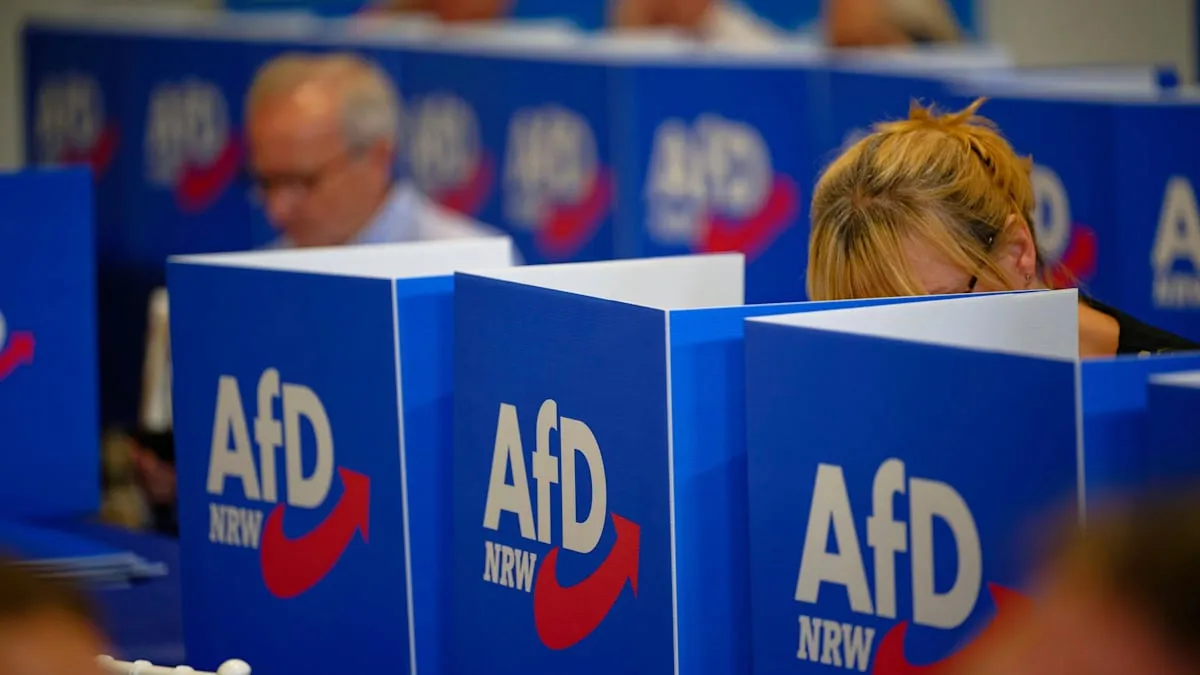
Nordrhein-Westfalen — The recent Alternative for Germany (AfD) state party conference in Nordrhein-Westfalen (NRW) was marked by extreme political turbulence, as one hundred candidates vied for a single list position in the elections, drawing sharp criticism and public scrutiny over the party's internal dysfunction. This incident, described as "a chaotic and embarrassing event" by a senior journalist, serves as a clear indicator of the fierce power struggle currently plaguing the AfD in one of Germany's most important federal states.
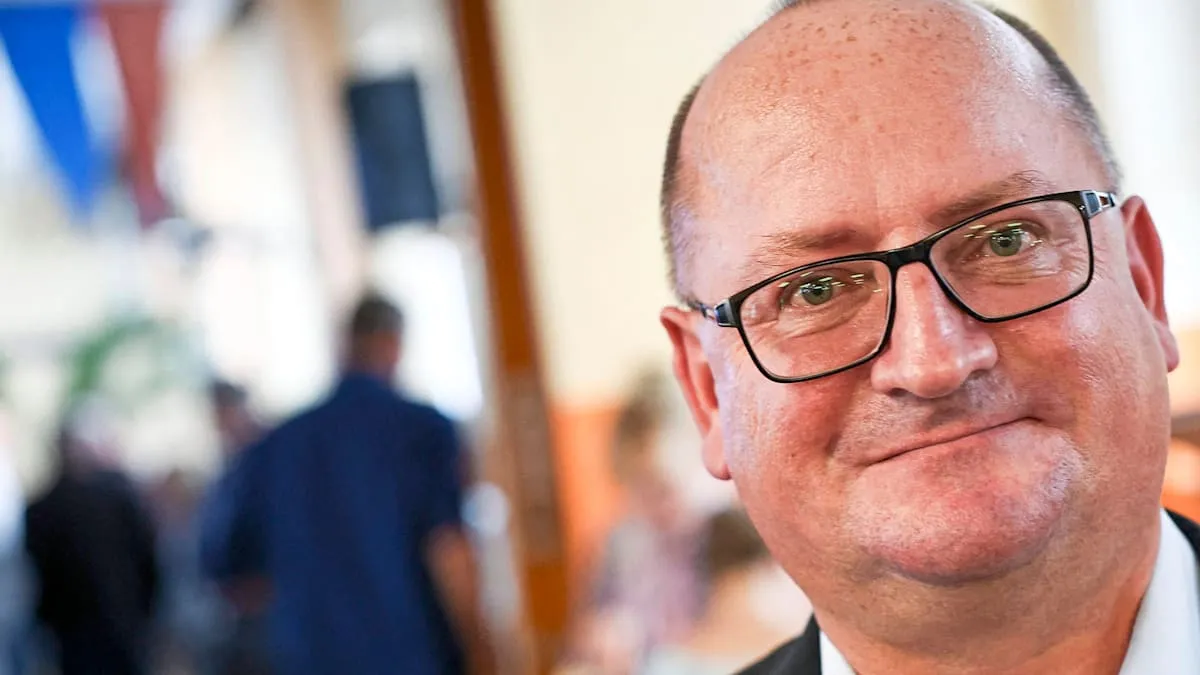
Lennart Hemme, Editor-in-chief of Radio Emscher Lippe, provided an in-depth analysis of the unfolding dynamics. According to Hemme, the disproportionate scale of competition for one list seat reflects the fragile internal condition of the party, where factions are vying for hegemony without regard for public image. This event occurred in the midst of a crucial political year 2026, as German parties prepare to face a series of important elections.
Such open conflict, with so many individuals competing for a single position, fundamentally undermines the AfD's credibility as a solid and organized party. The German public, already skeptical of the AfD's stability, now has tangible evidence of the fractures within the party. This is not merely an ordinary internal dispute, but a manifestation of deeper structural issues.
Hemme highlighted that this incident sends a dangerous signal to voters in NRW. This state has a large population and is economically strategic, making it a vital political battleground. The AfD's potential to attract broader support is threatened by the image of chaos and self-management incompetence.
While the AfD is often known for its populist rhetoric, this incident in NRW instead reveals their vulnerability in party operations. Political observers suggest that this unhealthy competition could erode the party's traditional support base, especially among voters who value order and discipline.
This intense power struggle also raises questions about the leadership capacity at the regional level of the AfD. The failure to mediate or regulate the nomination process indicates weaknesses in the party's decision-making structure. This condition contrasts with the AfD's claims of being a strong and decisive alternative to established parties.
The long-term impact of this incident for AfD Nordrhein-Westfalen could be significant. It may hinder their efforts to build coalitions or form alliances with other parties in the future, given their unstable internal track record. The stigma of "a chaotic party" might stick longer than anticipated.
Nationally, this episode could also affect the general perception of the AfD. As noted by other analysts, the party has faced challenges in expanding its reach beyond its core base. The incident in NRW actually reinforces the narrative of internal divisions that have long been a specter for the AfD in eastern Germany.
Hemme underscored the importance of this event for the future politics of NRW. The weaknesses shown by the AfD could give an advantage to other competing parties. It also forces voters to reconsider their political options.
Ultimately, the AfD party conference in Nordrhein-Westfalen was not merely a routine meeting, but a mirror of deep internal turmoil. One hundred candidates vying for a single seat reflects not only burning personal ambition but also a lack of consensus and unified vision within the party. The future of the AfD in NRW, and perhaps across Germany, is now more questioned than ever before.