 Dorry Archiles
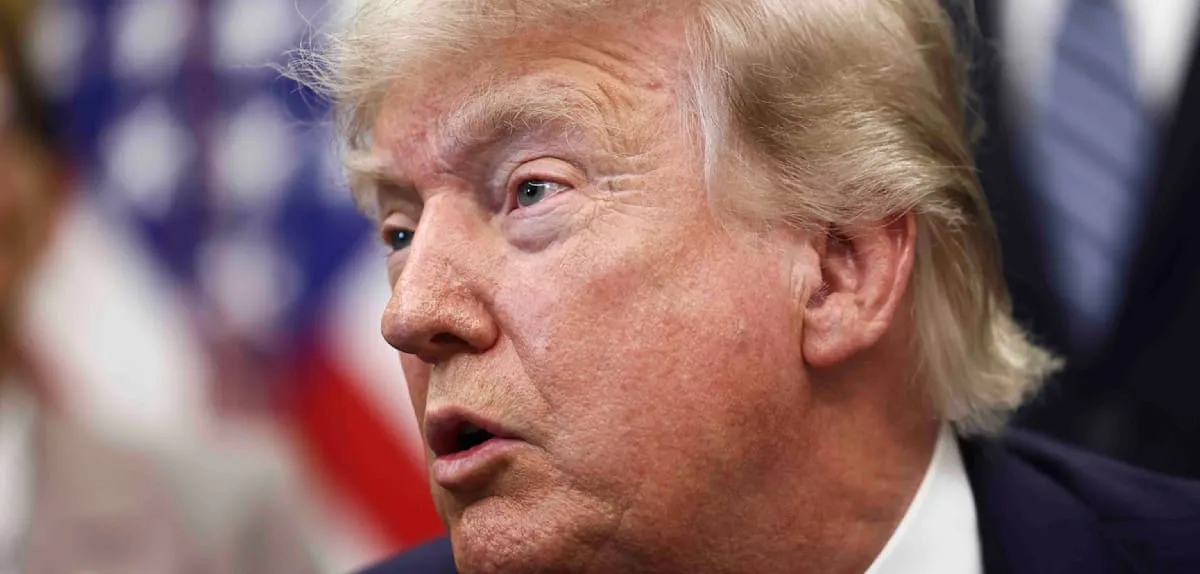
Washington D.C. — The United States has once again launched massive military attacks against strategic targets in Iran in early 2026, following a firm announcement from President Donald Trump. A swift response was inevitable when Tehran, through the Mullah Regime, immediately retaliated by launching counterattacks against US military bases located in several Gulf states, sparking global fears of conflict escalation in the Middle East region.
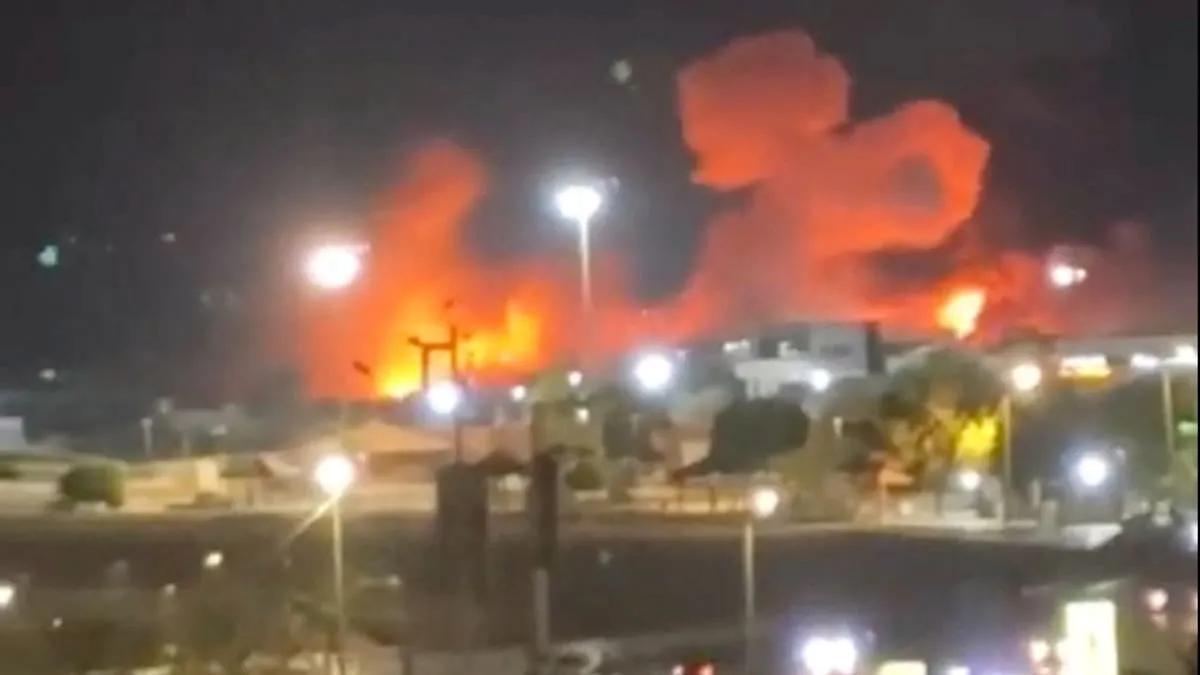
Devastating explosions were reported from various points along Iran's coastal region, indicating the intensity of the air and sea assaults launched by US forces. This operation is a continuation of the tough policy affirmed by President Trump to confront what he calls a threat to regional stability from Tehran.
It did not take long for Iran to respond. Regional intelligence sources confirmed that missiles and drones believed to originate from Iran's Islamic Revolutionary Guard Corps (IRGC) have targeted a number of United States military facilities in Gulf states such as Saudi Arabia and the United Arab Emirates.
Tensions between Washington and Tehran have indeed reached a boiling point for some time. Since President Trump's term, relations between the two countries have been fraught with economic sanctions, harsh rhetoric, and sporadic military incidents. These latest attacks mark a new chapter in the complex dynamics of this conflict.
Various countries worldwide have called for immediate de-escalation. UN Secretary-General Antonio Guterres expressed deep concern, reminding all parties of the humanitarian and economic impacts that could arise if this conflict expands. The UN Security Council is scheduled to hold an emergency meeting to discuss this critical situation.
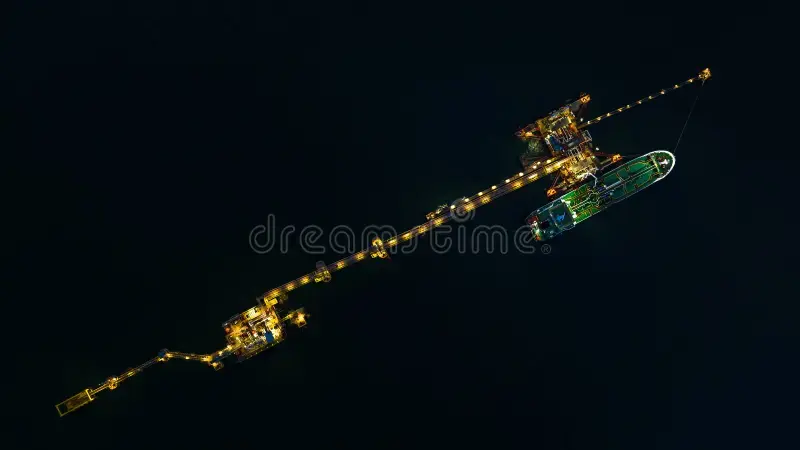
Global market analysts predict a surge in world oil prices as a direct consequence of the turmoil in the vital Strait of Hormuz shipping lane, which is the lifeline of global energy trade. This issue has frequently emerged in news about the threat of global oil price increases.
The situation in the Gulf states is now highly vulnerable. Several US military bases, key allies in regional security strategy, are now on high alert. Residents around the bases reportedly heard warning sirens and observed increased military activity. This is reminiscent of previous escalations in the Middle East.
President Trump, in previous statements, has asserted that any aggression against US interests or allies would be met with full force. These attacks on Iran are claimed to be preemptive actions or a response to unspecified provocations.
Meanwhile, the Mullah Regime considers the US attacks an unacceptable violation of sovereignty. They vowed to retaliate against any aggression on Iranian soil and defend themselves from foreign intervention, asserting that counterattacks on US bases are a form of self-defense.
Uncertainty shrouds the future of relations between these two superpowers. Global political observers, as previously discussed in articles on the escalating US-Iran situation, worry that this escalation could quickly drag the region, and even the world, into a larger conflict. Diplomatic dialogue appears to be increasingly distant, replaced by increasingly alarming rhetoric and military action.
The international community awaits further steps from both sides, hoping that political wisdom will overcome the impulse for confrontation. The world prays that this crisis does not develop into an open war that would bring widespread devastation.