 Robert Andrison
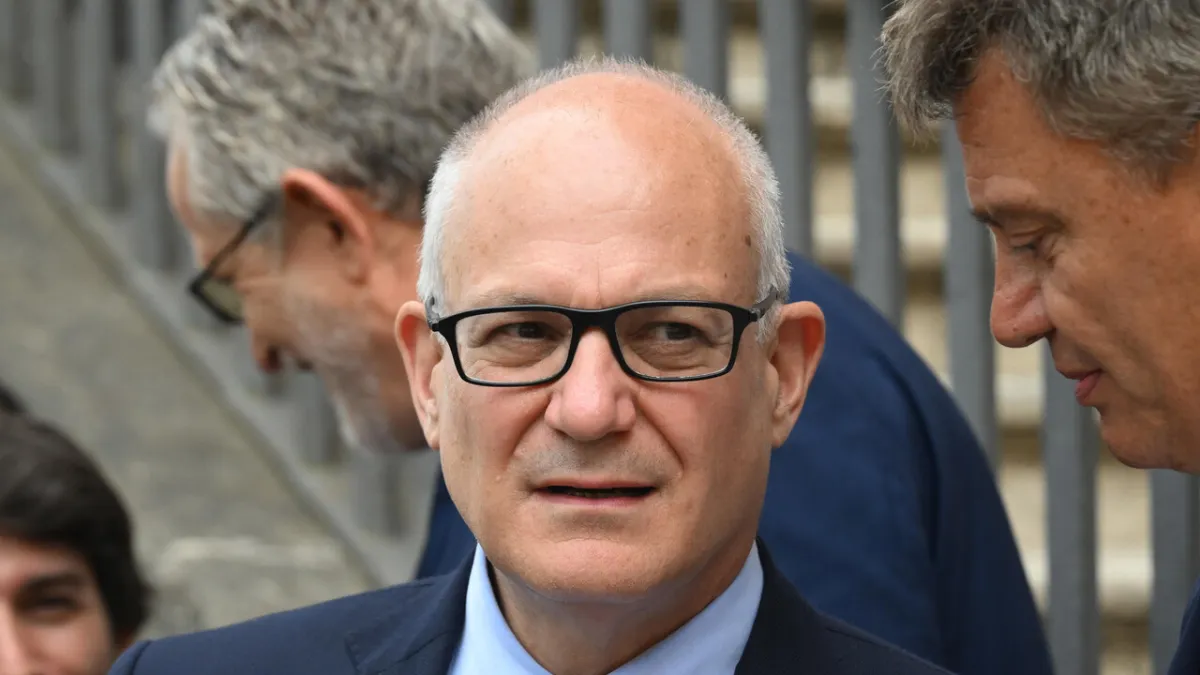
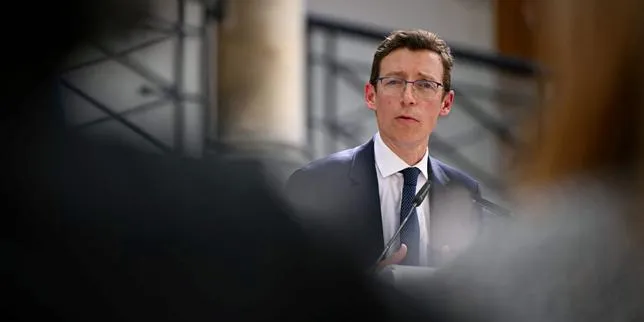
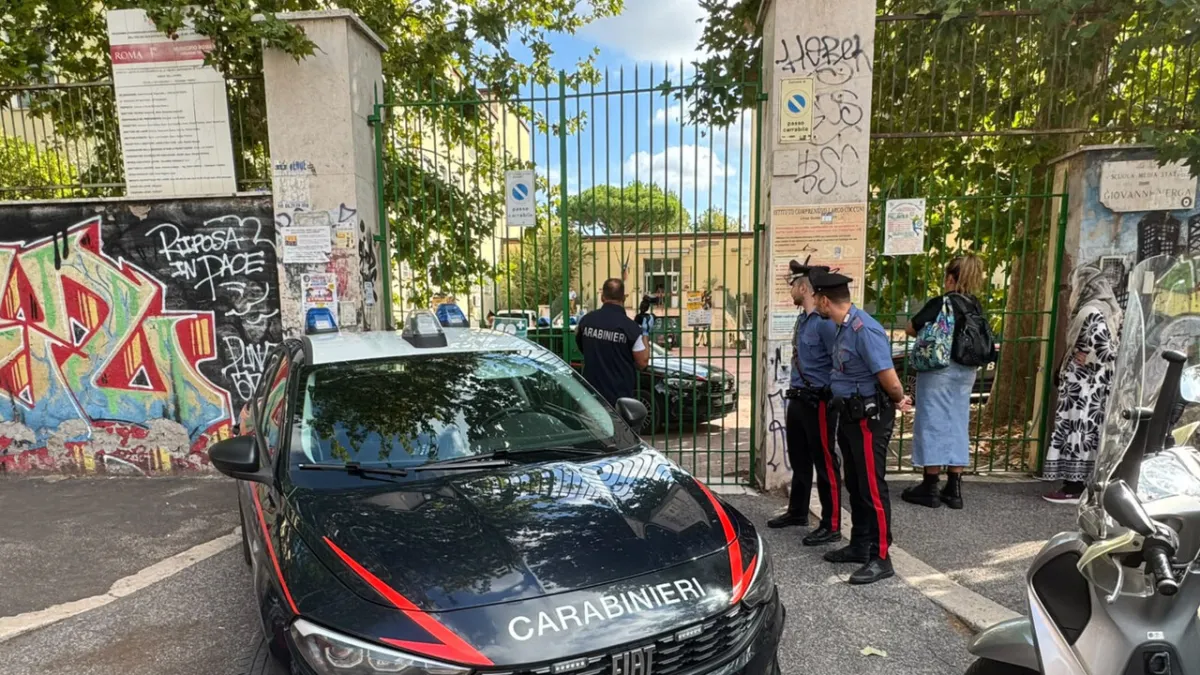
ROME — Rome Mayor Roberto Gualtieri has unequivocally pledged to install air conditioning units in all kindergartens across the city before the summer of 2027. This ambitious initiative is part of a "mega investment" launched by the city government to enhance the quality of educational infrastructure and children's comfort.
Gualtieri articulated this commitment during an interview with Skuola.net, emphasizing his administration's priority on student well-being. This facility upgrade is expected to mitigate the challenges posed by extreme heatwaves that frequently affect Italy, particularly during school hours.
Extreme weather phenomena, including temperatures exceeding comfortable limits, have become a crucial issue in Italy in recent years. The presence of AC in every kindergarten classroom will offer a concrete solution to ensure an optimal learning environment, free from potential health risks due to excessive heat exposure.
This AC installation project is not merely an addition of facilities but a strategic long-term investment. The City of Rome has allocated a substantial budget, reflecting its seriousness in maintaining educational quality standards and fostering a conducive environment for early childhood development. Specific investment figures will be announced upon completion of detailed planning.
Teachers and parents have warmly welcomed this plan. A comfortable, cool, and low-humidity environment significantly enhances children's learning concentration. Furthermore, these conditions support the productivity of educators, allowing them to focus on teaching methods without being hindered by unfavorable room temperatures.
"We have launched a massive investment for our institutions," Gualtieri stated, underlining his vision for a modern Rome responsive to its citizens' needs. He added, "Every kindergarten in Rome will have air conditioning before next summer," referring to 2027.
This program extends beyond education, reflecting the city government's broader efforts to improve public services comprehensively. Similar initiatives may follow in other sectors, demonstrating a commitment to infrastructure modernization and enhancing the quality of life for Rome's residents.
Implementing a project of this magnitude will undoubtedly face various logistical challenges, from unit procurement and installation to maintenance. However, the city government asserts it has prepared a dedicated team to ensure the entire process runs smoothly and adheres to the established timeline, aiming to meet the target before summer 2027.
This ambitious project also coincides with economic dynamics in Europe, where issues of budget allocation and efficiency are highly relevant. As reported, "Electric Car Prices Plummet Drastically, Gasoline Cars Become More Expensive in Europe", indicates a shift in investment and consumption priorities that must be considered in any large-scale infrastructure development policy.
Investing in educational facilities, particularly in creating comfortable learning environments, is a progressive step that supports long-term human resource development. With improved physical conditions, children are expected to absorb lessons optimally, forming a smarter and more adaptable generation for future challenges.
Positive public response to this announcement indicates strong support for policies prioritizing children's well-being. Many Roman citizens believe this initiative will bring lasting positive impacts for the community and the city's reputation as an innovative educational hub.
Thus, Mayor Gualtieri's promise to equip every kindergarten with air conditioning before summer 2027 marks a significant commitment by the city government to the future of its younger generation. This is a tangible step towards creating an ideal, cool, and comfortable learning environment for the children of Rome.