 Angel Doris
Jakarta, 2026 — A startling report from the Fraunhofer Institute for Industrial Engineering in 2026 reveals the potential loss of up to 726,000 jobs in the European automotive industry. This in-depth analysis highlights the policy of banning internal combustion engines as the primary driver of mass layoffs, concluding that even compromise efforts from the European Union are unlikely to save hundreds of thousands of threatened workers.
The study, released by the renowned German research institution, projects a worst-case scenario if the total ban on internal combustion engines is implemented without adequate mitigation. This projection paints a bleak picture for the future of regional economies heavily reliant on the automotive sector.
The combustion engine ban, part of the European Union’s sustainability agenda, aims to drive the transition towards electric mobility. However, its socio-economic impact on millions of individuals and families across the continent is expected to be highly significant, far exceeding initial estimates.
Fraunhofer researchers explicitly state that even with a proposed "compromise" scenario by the European Union, which considers options like synthetic fuels or e-fuels, the number of jobs that can be saved remains minimal. The industry's transformation is simply too fundamental to be addressed by partial solutions.
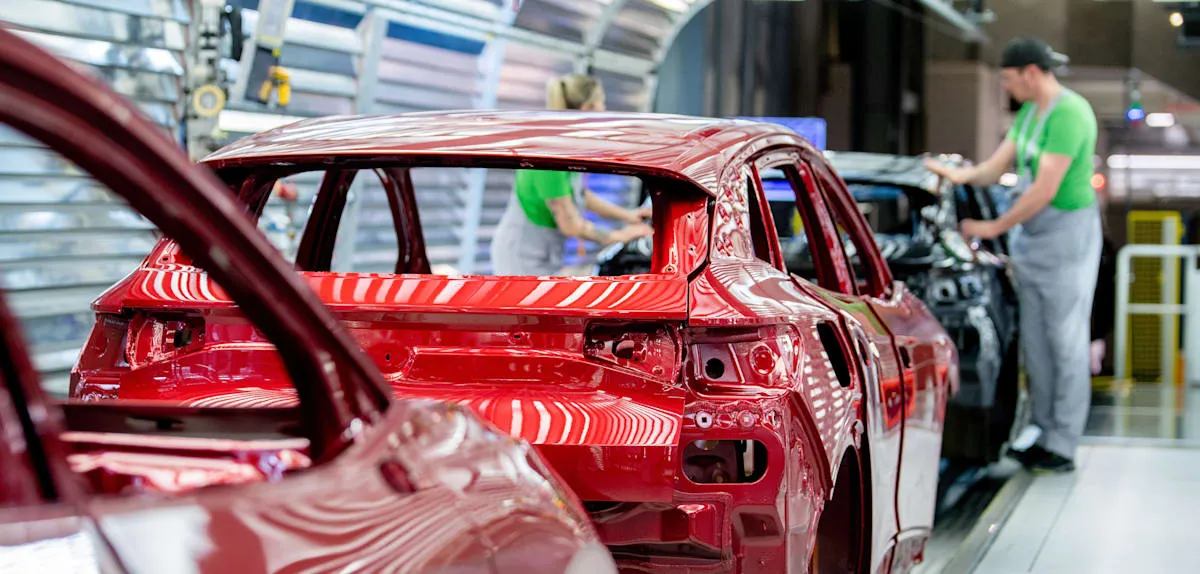
Specifically, the majority of the threatened jobs originate from the production segments of engine components, transmissions, and exhaust systems, which are central to fossil fuel-powered vehicles. Workers in assembly lines and related supply chains also face high risks.
Governments of EU member states and automotive industry associations have expressed deep concern over these findings. They urge Brussels to review its transition approach to prevent widespread social and economic crises, which could trigger political unrest.
Experts emphasize the crucial importance of massive investments in retraining programs and the development of new skills for affected workers. Without such initiatives, the transition from one type of employment to another will be extremely challenging and time-consuming.
This intricate situation adds to the array of challenges facing the European economy as it strives to balance climate ambitions with industrial stability. Similar challenges were previously discussed in news regarding Germany’s Wobbling Economy, Climate Ambitions on the Brink in 2026, illustrating the complexity of these dynamics.
This condition is not merely an industrial issue but also a reflection of a global paradigm shift towards clean energy. However, the speed and methods of this transition must be carefully considered to avoid detrimental backlashes.
The Federation of European Automotive Industries calls for a constructive dialogue between policymakers, industry, and trade unions. "We must find a path that allows for a sustainable transition without sacrificing the livelihoods of millions of people," stated a federation representative in a virtual press conference in early 2026.
The future of the European automotive industry hinges on the collective ability to adapt to new realities, accompanied by visionary yet pragmatic policies. Without a comprehensive strategy, the threat of massive job losses could become a bitter reality that drastically alters the continent's economic landscape.