 Chandra Wijayanto
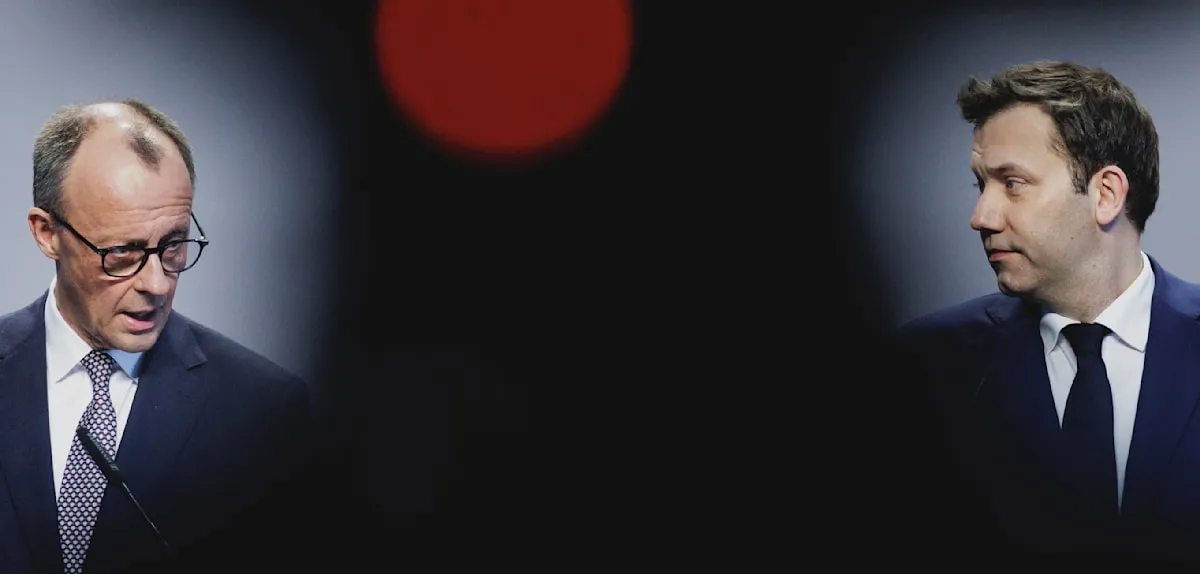
Berlin — Germany's black-red coalition government is projected to drive state debt to historic levels in the coming years, sparking serious concerns about the nation's economic future. Finance Minister Lars Klingbeil, a central figure in the current administration, has consistently justified this policy as a strategic investment for younger generations. However, analysts and economists have warned that these fiscal measures will lead to inevitable and dramatic consequences for succeeding generations.
This significant increase in public debt is the result of a series of ambitious budgetary policies. Since taking office, the ruling coalition has allocated trillions of euros to various projects, ranging from the green energy transition to the modernization of digital infrastructure. The noble goal is to position Germany as an economic leader in the post-pandemic era and address complex geopolitical challenges.
Lars Klingbeil has, on numerous occasions, emphasized that the borrowed funds are not merely expenditures, but vital investments. 'We are not accumulating debt; rather, we are building a solid foundation for Germany's future,' Klingbeil stated in a recent press conference. 'Investments in innovation, education, and sustainability are our guarantee for better opportunities for our children and grandchildren.'
This optimistic rhetoric, unfortunately, clashes with a bleaker economic reality. Credit rating agencies and several independent economists have raised alarms. They argue that uncontrolled debt growth has the potential to trigger inflation, increase interest rates, and ultimately, slow long-term economic growth.
Professor Klaus Richter, a public economics expert from the University of Berlin, criticized the government's approach. 'The investment narrative sounds appealing, but fundamentally, it is a transfer of burden from the current generation to future ones,' Richter explained. 'When debt reaches this scale, the fiscal space for future maneuvers will be severely limited, even for unforeseen crises.'
Data indicates that Germany's debt-to-Gross Domestic Product (GDP) ratio is expected to surpass historically agreed-upon thresholds, exceeding limits set by European Union fiscal agreements. Despite temporary flexibility during crises, a continuous upward trend raises questions about long-term budgetary compliance and discipline.
The German public is beginning to feel the indirect effects of these fiscal decisions. Rising prices for goods and services, largely due to massive economic stimulus and accommodative monetary policies, have become a hot topic. Many households report difficulties in maintaining their purchasing power amid surging living costs.
The government contends that without this stimulus, a deeper recession might have occurred. They point to Germany's success in navigating global economic turmoil and maintaining relatively low unemployment rates as proof of their strategy's effectiveness. However, the question remains: what price will the next generation pay for this temporary stability?
The debate over this debt burden is not new in the German political landscape. Several opposition parties have consistently voiced similar concerns, urging the government to review its spending priorities. Figures like Friedrich Merz from the opposition also face public communication challenges heading into the political year 2026, indicating how such economic issues can divide public opinion. For more political context, see Merz Terganjal Emosi Publik: Komunikasi Kritis Jelang Tahun Politik 2026.
The threat to public financial sustainability is not merely speculative. Demographic analysis reveals that Germany's population is aging, meaning the number of active taxpayers will decrease relative to the number of retirees and beneficiaries. This condition exacerbates the pressure on an already debt-laden state budget.
Therefore, an honest and comprehensive national dialogue is required on how Germany will address these fiscal challenges. Will the government find ways to repay this debt without unfairly burdening future generations, or will they bequeath a questionable financial legacy? This question becomes crucial as the middle of this decade approaches.