 Chris Robert
Millions of individuals worldwide frequently suffer from migraines, tension pain, and tinnitus without knowing the root cause. Health experts assert that a frequently overlooked condition, Craniomandibular Dysfunction (CMD), is proven to be the primary trigger for these various complaints, making it an increasingly prevalent global disease.
Recent research in 2026 indicates that CMD, often referred to as a jaw joint problem, not only causes local discomfort but also has widespread systemic effects on the body. Miscoordination of the jaw and related muscles can trigger a confusing array of symptoms for both patients and doctors.
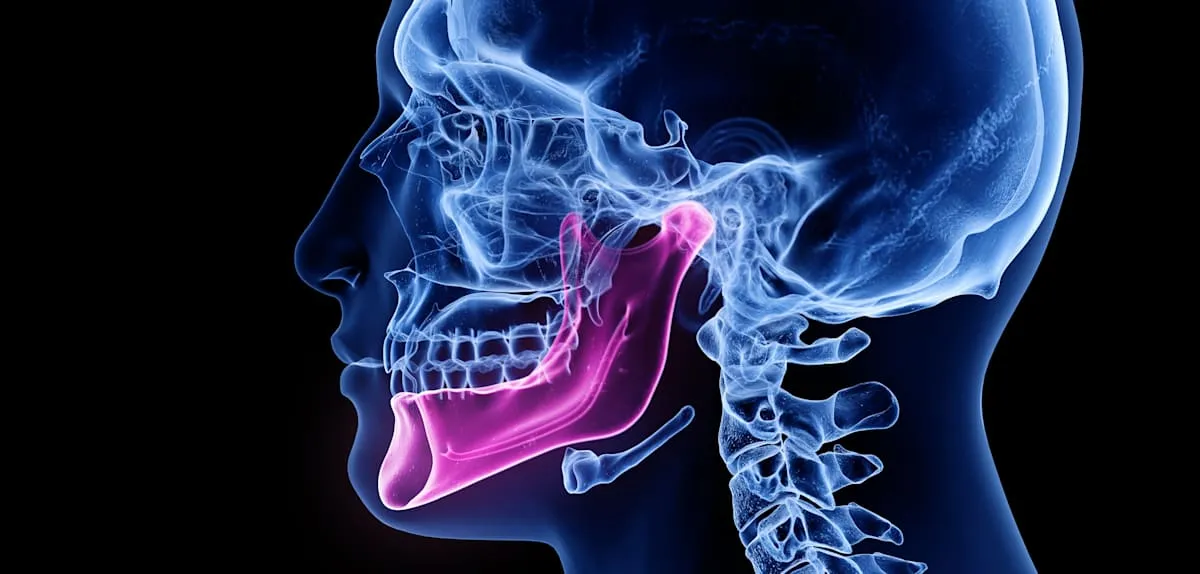
Craniomandibular Dysfunction is a complex condition involving the temporomandibular joint (TMJ), the masticatory muscles, and surrounding nerve structures. This condition occurs when there is a misalignment or functional disturbance in the chewing system, often triggered by stress, teeth grinding (bruxism), or trauma.
CMD symptoms vary widely. Sufferers may experience pain in the face, neck, shoulders, and even the back. However, the most commonly reported symptoms include severe headaches, recurrent migraines, chronic tension pain, and persistent ringing in the ears or tinnitus.
Many patients spend years seeking diagnosis and treatment for their migraines or tinnitus, consulting various specialists without finding the underlying cause. Often, the focus remains on the symptoms rather than the primary source of the problem, which is the jaw.
The connection between the jaw and headaches and tinnitus lies in the complex network of nerves and muscles in the head and neck area. The jaw joint is close to the trigeminal nerve, responsible for facial sensations, as well as nerves related to the ears and neck muscles.
When the jaw experiences dysfunction, the surrounding muscles become tense and irritated. This tension can spread to the head and neck muscles, triggering tension headaches and migraines. Additionally, pressure on inner ear structures or auditory nerves can cause tinnitus.
Specialist TMD dentist, Prof. Dr. Budi Santoso, stated in a recent health seminar, “CMD is the hidden cause of many seemingly separate complaints. We must begin to view the body holistically, not just focus on one symptom.” This statement emphasizes the need for a multidisciplinary approach in diagnosis.
CMD management requires a comprehensive approach. Therapy can include the use of special orthodontic appliances (splints) to stabilize the bite and reduce pressure on the jaw joint, physical therapy to relax tense muscles, and stress management to reduce bruxism habits.
Furthermore, lifestyle modifications such as avoiding hard foods, practicing good posture, and relaxation techniques also play a crucial role. Pain relievers or muscle relaxants may be prescribed for acute symptoms, but they are not long-term solutions.
Early identification of CMD is key to preventing the progression of this condition into a more severe “pain spiral.” If symptoms such as jaw pain, difficulty chewing, clicking in the jaw joint, recurrent headaches, or tinnitus appear, consultation with a doctor or a specialist TMD dentist is highly recommended.
Ultimately, public and medical awareness of CMD needs continuous improvement. With accurate diagnosis and appropriate intervention, sufferers of migraines, chronic muscle tension, and tinnitus can find a way out of the long-standing cycle of suffering they have endured.