 Robert Andrison
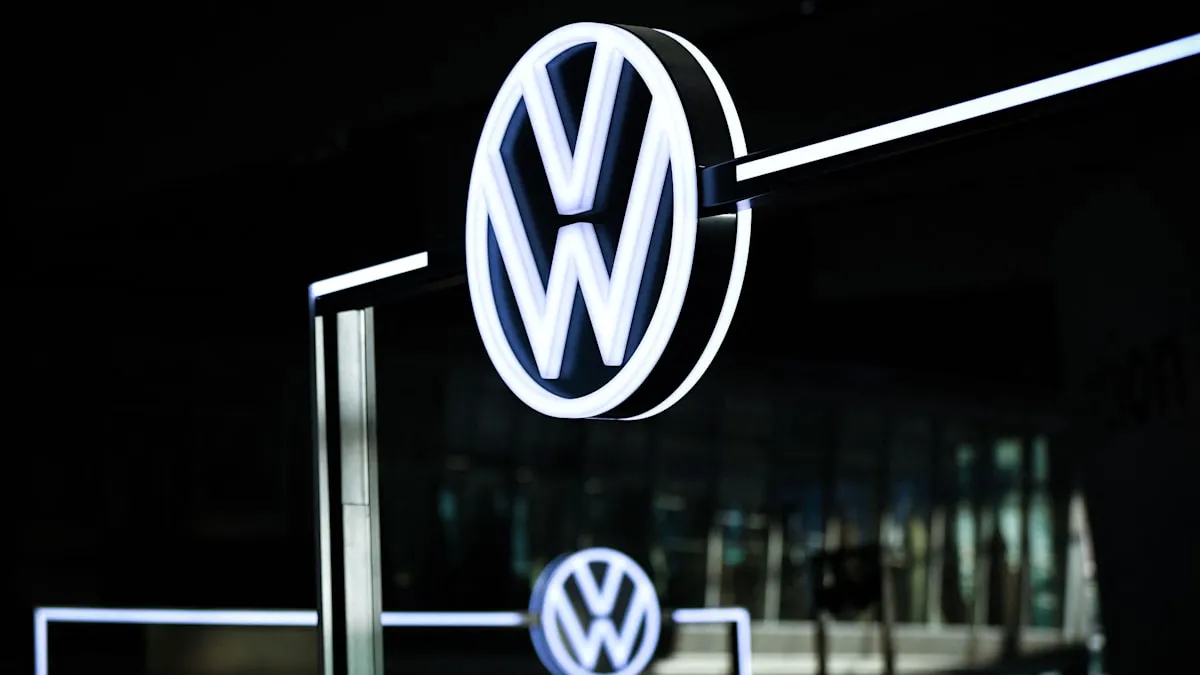
WOLFSBURG — Global automotive giant Volkswagen is considering an aggressive restructuring plan that could lead to the layoff of up to 100,000 employees worldwide and the potential closure of four factories in Germany. This crucial decision is the main topic of discussion during a supervisory board meeting at the company's headquarters in Wolfsburg, marking a turbulent period for one of Germany's industrial pillars in 2026.
These intensive discussions reflect the immense pressure Volkswagen faces in navigating an increasingly competitive automotive industry landscape and the shift towards electrification. The proposed scale of cuts, encompassing a quarter of the total global workforce, indicates a dramatic effort to reduce operational costs and fundamentally enhance company efficiency.
Industry analysts highlight that this drastic step is a response to various challenges. The significant transition to electric vehicles demands substantial investments in new technology and manufacturing line reconfigurations, while fierce competition from Asian and US manufacturers squeezes profit margins. Rising raw material and energy prices further exacerbate existing global economic conditions.
This news comes as Germany itself grapples with a range of economic issues. Despite being Europe's economic powerhouse, the country faces slowing growth, inflation, and energy transition challenges. A wave of layoffs in strategic sectors like automotive could have significant ripple effects on the labor market and domestic consumption, adding to the complexities of addressing the overall crisis facing Germany in 2026.
The four factories in Germany reportedly facing closure are located in regions historically highly dependent on the employment provided by Volkswagen. Their potential closure would not only impact thousands of direct workers but also thousands more in the supply chain and supporting industries, triggering profound social and economic concerns in the local communities.
Volkswagen's management is believed to be striving to secure the company's long-term future through improved operational efficiency. They aim to optimize cost structures to free up capital for innovation, particularly in the development of battery technology and autonomous vehicle software, which are key to future competitiveness in the automotive industry.
German trade unions, known for their strong influence, are highly likely to vehemently oppose these mass layoff plans. Tough negotiations between management and employee representatives are anticipated, involving efforts to find alternative solutions such as early retirement, retraining programs, or reduced working hours to minimize compulsory redundancies. Local and federal governments will also be actively involved in mitigating the socioeconomic impact.
Beyond its impact in Germany, this global restructuring will also affect Volkswagen's operations in various parts of the world. The company has an extensive production network, and any strategic changes at the core will ripple through other units, creating uncertainty for tens of thousands of employees outside Germany who may also be affected.
Economists observe that Volkswagen's restructuring could serve as a barometer for the health of the entire European automotive industry. If a giant like VW must take such drastic steps, it indicates that transformative pressures and global competition are reaching a critical point, demanding fundamental adaptation from all automotive industry players.
The outcome of this supervisory board meeting in Wolfsburg will be highly anticipated, not only by Volkswagen employees and investors but also by all stakeholders in the global automotive industry ecosystem. The decisions made will reshape the company's landscape for decades to come and set an important precedent for the future of manufacturing in Germany.