 Stefani Rindus
MUNICH – The football world was shocked by the confession of sensational young footballer, Jamal Musiala (23), who openly stated that he suffers from absences, a mild form of epileptic seizure. This admission has sparked widespread concern and discussion regarding the implications of this neurological condition on his career and life, especially as leading neurologists warn of the potential for other, more serious types of seizures to emerge.
Jamal Musiala, an attacking midfielder for Bayern Munich and the German national team, recently disclosed his condition. Absences, also known as petit mal seizures, are a type of epilepsy characterized by brief lapses of consciousness, often lasting only a few seconds. Sufferers may appear to be daydreaming or staring blankly, unaware of their surroundings.
Professor Rainer Surges, a prominent neurologist who has treated epilepsy patients for years, explained the complexity of absences. With this form of absence, it is very likely that other types of seizures will also occur, Professor Surges stated in an interview with national media, WELT, highlighting the risks faced by Musiala and other absence sufferers. This implies Musiala must undergo strict monitoring.
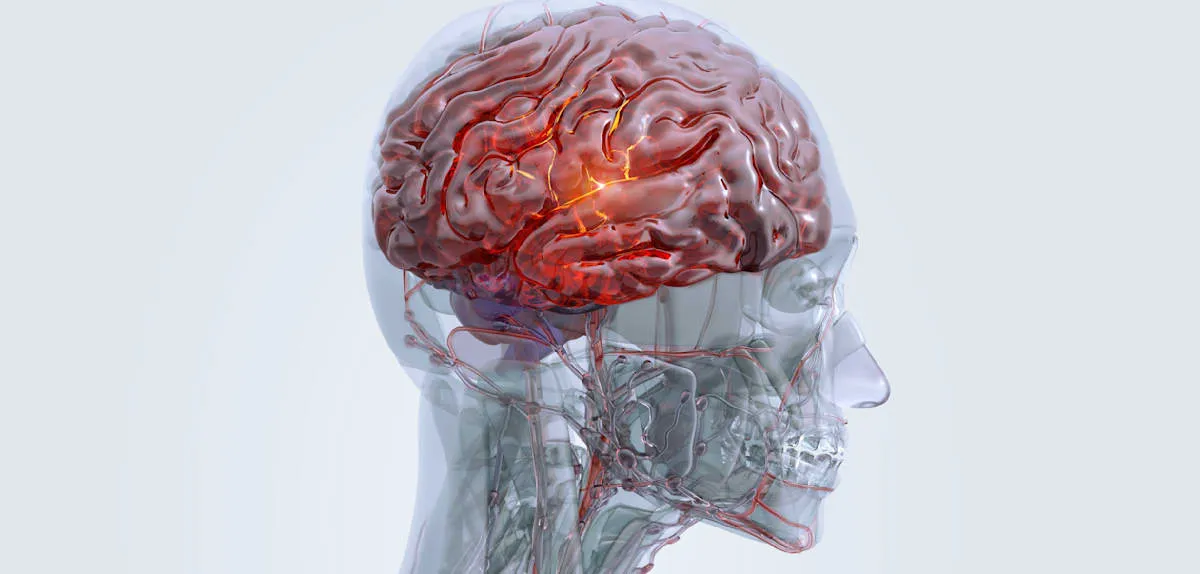
The brains of absence sufferers experience disrupted electrical activity. Normally, brain neurons communicate through regular electrical impulses. However, in cases of absence, an abnormal and synchronous surge of electrical activity occurs throughout the brain, causing temporary impairment of consciousness. This process is akin to a brief short circuit that temporarily shuts down brain function.
The impact of absences on the life of a professional athlete like Musiala cannot be underestimated. Although the seizures are brief, their frequency and the potential for more severe types of seizures can affect on-field performance, concentration, and even safety. Imagine a player suddenly losing focus for a few seconds during a crucial match.
The importance of early diagnosis and appropriate treatment is emphasized by experts. Antiseizure medications are often prescribed to control absences. However, this treatment requires careful adjustment so as not to affect cognitive and physical abilities that are essential for an athlete.
The football community and fans reacted with massive sympathy and support for Musiala. Many praised his courage to speak openly about a condition that is often stigmatized. This admission is expected to raise public awareness of epilepsy and dispel negative myths associated with it.
Professor Surges added that successful treatment depends heavily on a comprehensive understanding of the specific type of absence experienced. Every case is unique, and a personalized approach is crucial to minimize risks and maximize the patients quality of life, he explained, emphasizing the importance of collaboration among the patient, family, and medical team.
Musiala's case serves as a reminder that neurological disorders can affect anyone, including those at the peak of their physical careers. It opens an important dialogue about mental and physical health among athletes, fostering a more inclusive and supportive environment.
For Musiala, this journey may be challenging, but with proper medical support and lifestyle adaptations, he has the potential to continue to excel. Health is the most valuable asset, and Musiala's transparency is commendable.
Editorial Insight: Jamal Musiala's disclosure of his absence condition marks a significant moment for public health awareness. Beyond highlighting an athlete's personal struggle, it also sparks discussion about the crucial role of meticulous neurological management in high-stakes careers. This case could catalyze sports organizations to enhance support for athletes with similar conditions, ensuring they can compete safely and effectively. Musiala's integrity and performance now hinge on medical adaptation and a supportive environment.