 Demian Sahputra
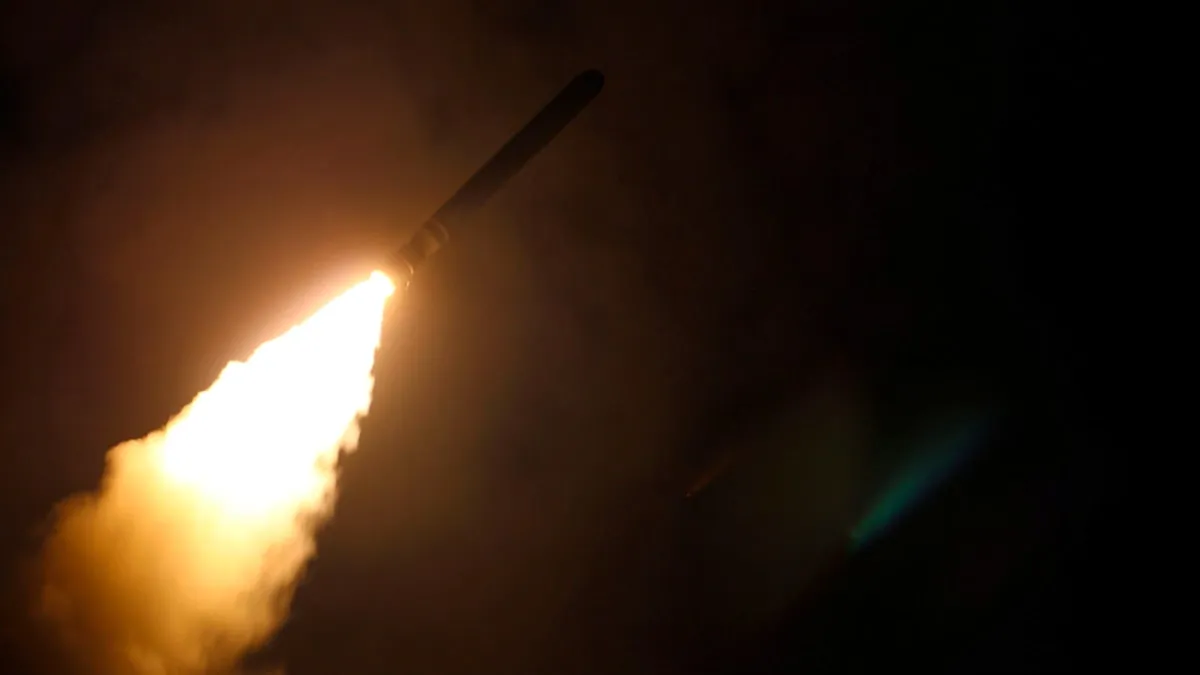
TEHRAN – The United States reportedly launched its sixth consecutive night of airstrikes against strategic targets in southern Iran, triggering massive explosions in the city of Bushehr, home to the country's only active nuclear power plant, and the port city of Bandar Abbas. Iranian state television, in 2026, confirmed the incidents, which resulted in at least two civilian deaths and escalated regional tensions to alarming levels.
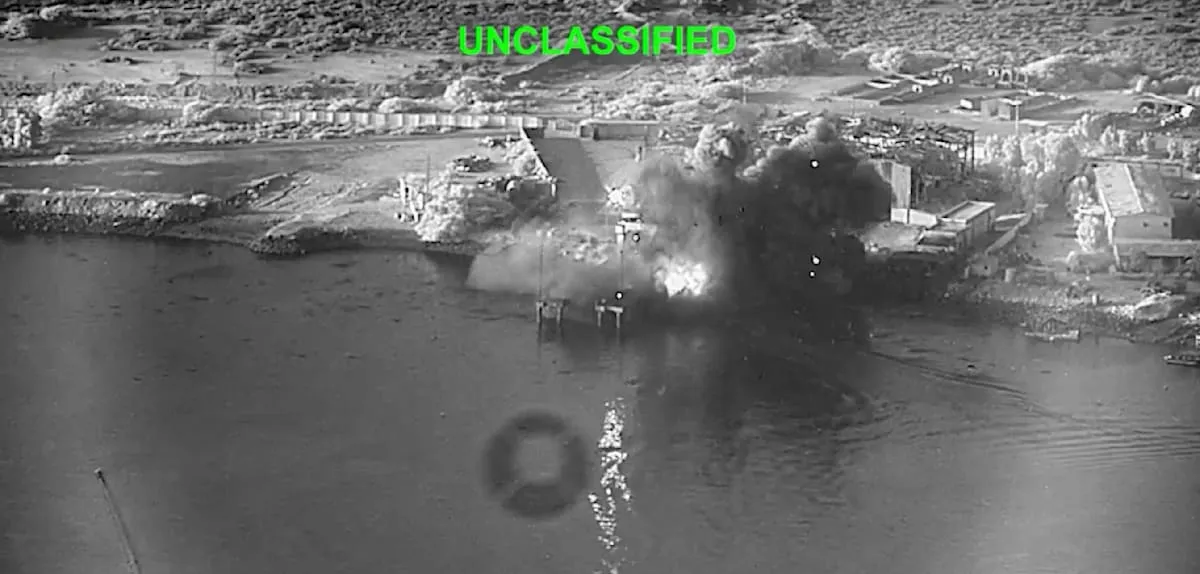
The strikes, occurring in the early hours, targeted several vital bridges and an airport in southern Iran. The selection of these targets indicates a US effort to cripple Iran's logistical and transportation infrastructure, which may be used for military activities or support for regional proxies. This incident adds to a long list of escalating conflicts in the region.
In Bushehr, local witnesses reported a series of explosions echoing around the nuclear installation, although there has been no official confirmation regarding the direct impact on the facility. The presence of this nuclear plant has always been a sensitive point in Iran's international relations, and strikes near it could trigger global concerns about the potential for more serious incidents.
Meanwhile, Bandar Abbas, as one of Iran's most important ports in the Persian Gulf and a major base for the Iranian Navy, also experienced similar bombardments. The attacks on this port city are believed to aim at disrupting maritime supply lines and Iran's power projection capabilities in the Strait of Hormuz, the world's most strategic oil shipping lane. Iran's threat to close Hormuz has always been a major concern for the global economy.
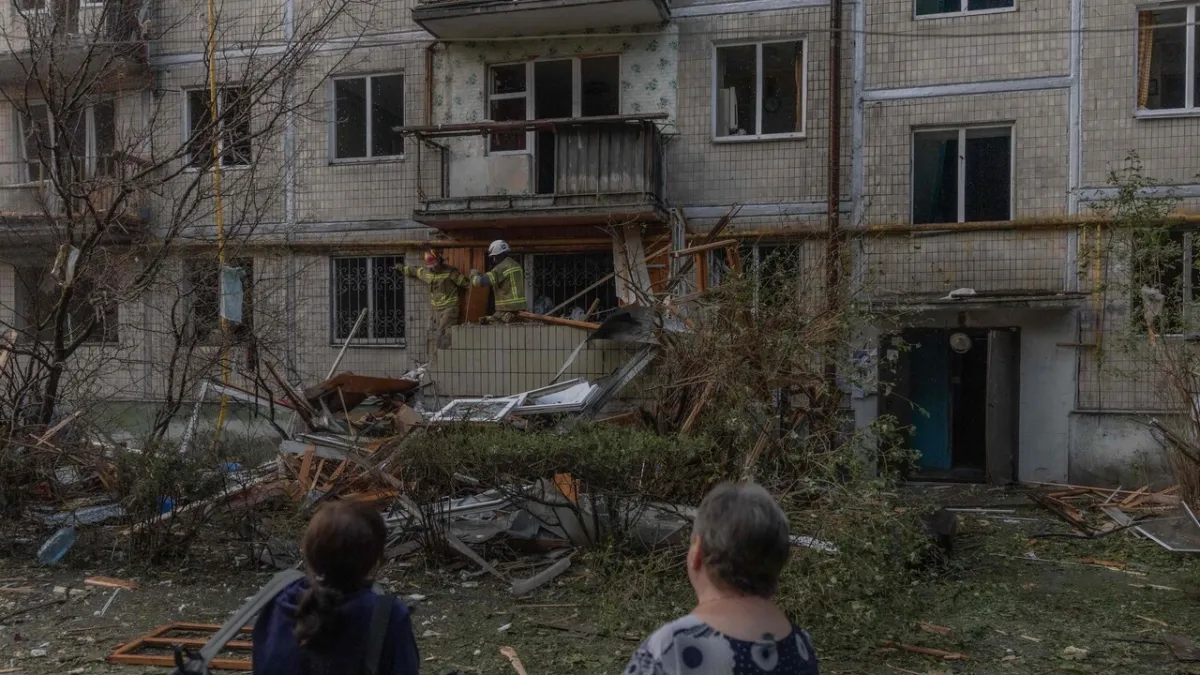
The Iranian government, through its state television, has strongly condemned these attacks, calling them acts of aggression that violate sovereignty. Initial reports indicate at least two fatalities, identified as civilians, amidst the rubble of damaged buildings and infrastructure. These casualties further inflame the rhetoric between both sides.
This latest escalation follows a sharp rise in tensions between Washington and Tehran over the past few months in 2026. The conflict includes alleged Iranian involvement in regional destabilization and strong US responses to maritime security threats in the Middle East.
International political analysts view these consecutive strikes as a strong signal from the United States to pressure Iran to cease activities deemed threatening to US and allied interests in the region. However, such military actions also risk triggering unpredictable retaliation from Tehran.
The ongoing tensions in southern Iran have broad implications for regional stability. Neighboring countries and global powers are calling for de-escalation, fearing that an open conflict could erupt and draw more actors into a cycle of violence. This already fragile region now faces the prospect of even greater uncertainty.
Global oil markets reacted with concern to these developments. Attacks on strategic Iranian facilities could disrupt energy supplies, potentially triggering oil price surges and global economic instability in 2026. Investors are closely monitoring every statement from Washington and Tehran.
Although there have been no official statements from the UN or other major nations regarding these specific attacks, the international community has generally and repeatedly called on all parties to exercise restraint. Diplomatic dialogue is often cited as the only sustainable way out of this impasse.
Given the increasingly precarious situation, many hope for serious efforts to de-escalate tensions. Without effective communication channels, this cycle of violence is feared to continue, bringing detrimental consequences for global peace and security.