 Debby Wijaya
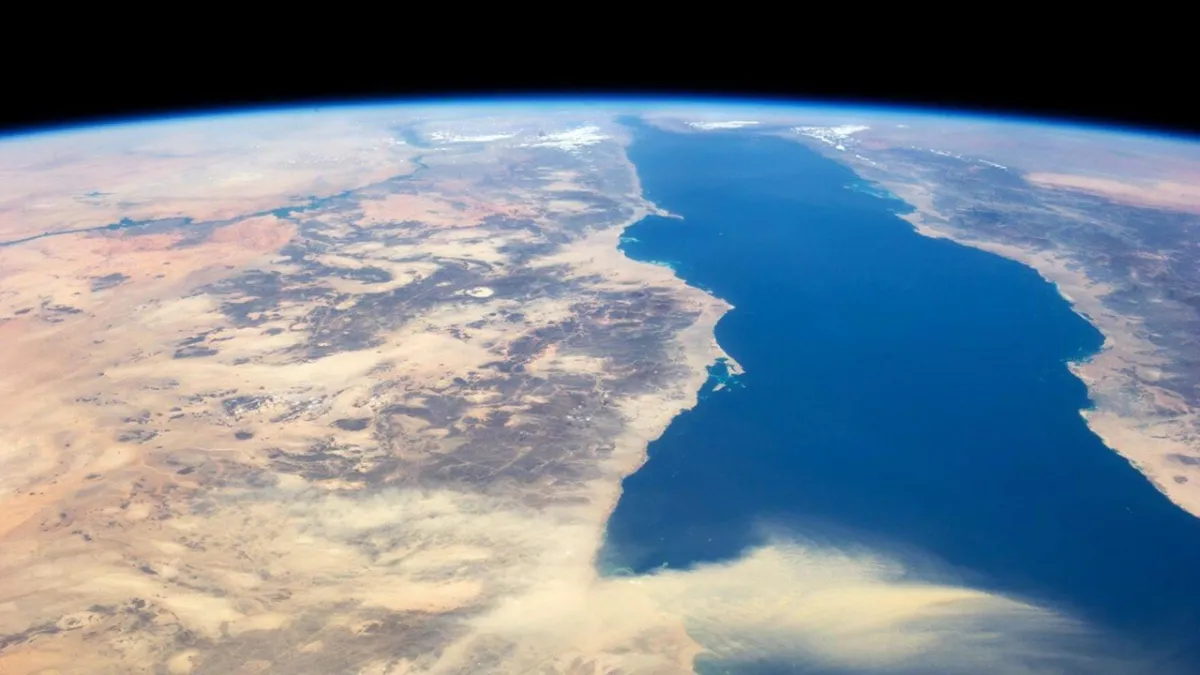
TEHRAN – The Strait of Hormuz, a vital shipping lane serving as the main artery for global energy distribution, once again heated up early this week in 2026. Two oil tankers reportedly caught fire fiercely after crossing an area designated as a “mined zone” by Iranian authorities. This incident immediately triggered international alarm, prompting Iran's Islamic Revolutionary Guard Corps (IRGC) to announce a total closure of the strait, a move that could shake global commodity markets.
The tense event, still unconfirmed independently regarding the exact cause of the explosions and fires, occurred at one of the world's most strategic maritime choke points. Initial reports from Tehran stated that the vessels sustained severe damage, with towering flames creating a horrifying spectacle in the Gulf waters.
IRGC Spokesperson, Major General Hossein Salami, in an emergency press conference, affirmed that the closure of the Strait of Hormuz was an unavoidable response to ensure Iran's maritime security and prevent further incidents. “After two foreign tankers were proven to have violated a zone we had warned was a sensitive and potentially mined area, we had no choice but to take decisive action,” stated General Salami, highlighting the escalating tensions in those waters.
The Strait of Hormuz is the only sea route from the Gulf open to the Indian Ocean and is transited by approximately one-fifth of the total global oil supply. The closure of this strait would automatically disrupt the flow of crude oil and liquefied natural gas (LNG) from major Middle Eastern producers to markets in Asia, Europe, and America.
The immediate impact of this incident was felt in commodity exchanges. Futures oil prices soared sharply within hours of the news of the strait's closure, reflecting market concerns about potential supply shortages. Global energy analysts predict these price fluctuations will continue if the situation does not de-escalate soon.
Iran's Ministry of Foreign Affairs, through its official statement, called on the international community to understand the steps taken by Tehran. They argued that the action was a legitimate effort to protect Iran's sovereignty and national interests from what it described as “provocations in sensitive waters.”
Geopolitical observer from Oxford University, Dr. Lena Khan, highlighted the potential for a broader crisis. "While the incident details remain vague, Iran's claims of a 'mined zone' and the closure of the strait represent a serious escalation. This is not just about maritime security, but also about the struggle for influence in an already fragile region," said Dr. Khan via video link.
Incidents like this are not new to the Strait of Hormuz. History records several similar events involving attacks on tankers or cargo ships in these waters, triggering diplomatic and military tensions between nations. However, a complete closure of the strait is a much more drastic and alarming step.
International parties, including the UN and the European Union, have urged all sides to exercise restraint and seek diplomatic solutions. The UN Secretary-General, during a press conference in New York, expressed deep concern over the reports and called for international shipping lanes to remain open for global economic stability.
As of this report, there has been no third-party confirmation regarding the existence of a mined zone or the identity of the burning tankers. The situation in the Strait of Hormuz remains tense, with the world awaiting further developments that could potentially determine the direction of global economy and geopolitics for the remainder of 2026.