 Dorry Archiles
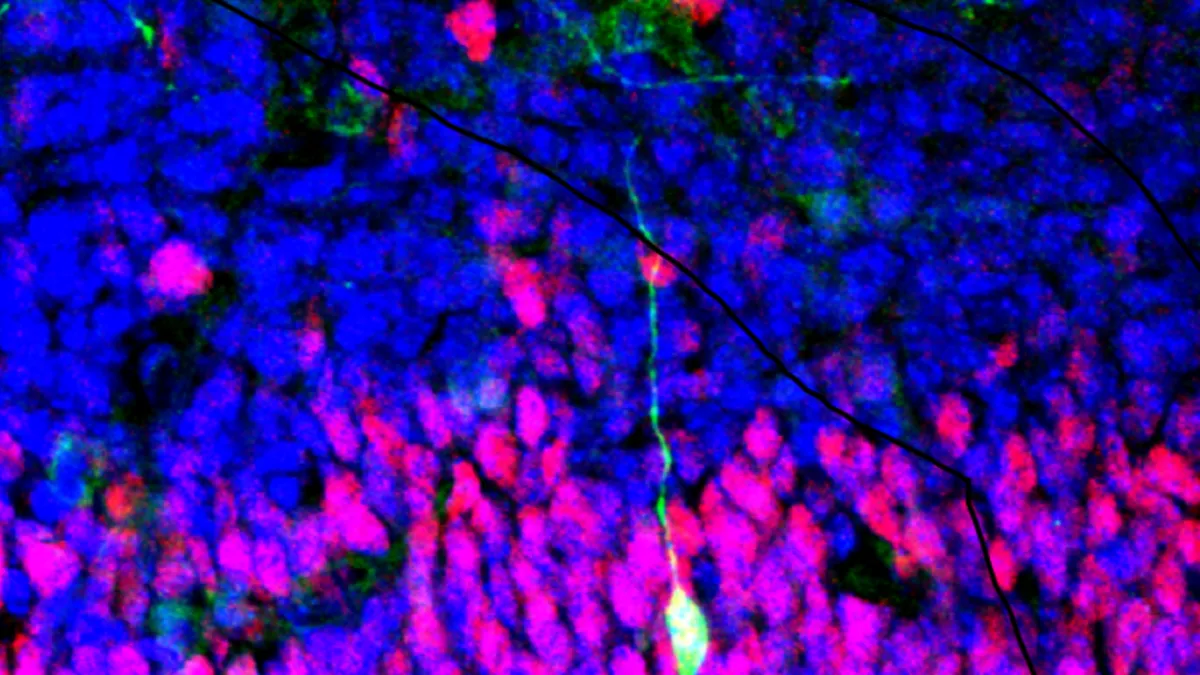
STOCKHOLM — The global medical community heralds a significant breakthrough in Parkinson's disease treatment following the successful transplantation of stem cells into the brains of eight patients in Sweden. This innovative procedure, demonstrating both feasibility and safety, opens a new chapter of hope for millions grappling with this progressive neurodegenerative condition. The research marks a major leap in the quest for a definitive Parkinson's therapy in 2026.
The complex operations were performed by a leading team of medical professionals and scientists at a research institution in Sweden, involving the direct implantation of stem cells into brain areas affected by Parkinson's. Researchers meticulously monitored patient responses, highlighting that the method is not only safely executable but also shows initial potential in improving neurological functions.
The eight patients participating in this clinical trial had been diagnosed with advanced Parkinson's, experiencing debilitating motor symptoms such as tremors, bradykinesia, and rigidity. The selection of stem cells as a therapeutic agent was based on their ability to differentiate into various types of nerve cells, potentially replacing the dopamine-producing cells damaged by Parkinson's disease.
The success of this initial trial phase provides a strong foundation for the further development of stem cell therapies. Prior to this, Parkinson's treatment options largely focused on symptom management, such as levodopa, whose efficacy often wanes over time. Now, this regenerative approach offers the prospect of addressing the root cause of the disease.
Parkinson's disease is characterized by the loss of dopamine-producing neurons in the substantia nigra, a brain region vital for movement coordination. The transplanted stem cells are expected to migrate, survive, and differentiate into new dopamine-producing nerve cells, thereby restoring the essential chemical balance in the brain.
The aspect of safety is crucial in invasive medical procedures like brain transplantation. The Swedish study rigorously monitored for any adverse effects, and so far, the data indicates a satisfactory safety profile. This represents a significant validation for the global scientific community and for patients desperately seeking alternative treatments.
Medical experts worldwide have greeted this news with cautious enthusiasm. While the initial results are highly promising, they emphasize the need for further research involving larger patient cohorts and longer observation periods to fully evaluate the efficacy and durability of this therapy.
A prominent neurologist not involved in the study, Professor Antje Fischer from the University of Oslo, stated, "This is a fundamental step towards cell-based Parkinson's treatment. The demonstrated safety and feasibility open doors for further exploration of its therapeutic potential." This statement underscores the validity of the discovery from an independent perspective.
Nevertheless, the journey towards widely available therapy remains long. Challenges include standardizing stem cell sources, optimizing transplantation protocols, and managing the patient's immune response. The Swedish research team plans to proceed with the next phase of clinical trials to gather more comprehensive clinical data.
Hope for Parkinson's sufferers worldwide is now increasingly kindled. Should further research confirm long-term efficacy, brain stem cell transplantation holds the potential to revolutionize the paradigm of neurodegenerative disease treatment, not only for Parkinson's but also for similar conditions in a future far beyond 2026.