 Chandra Wijayanto

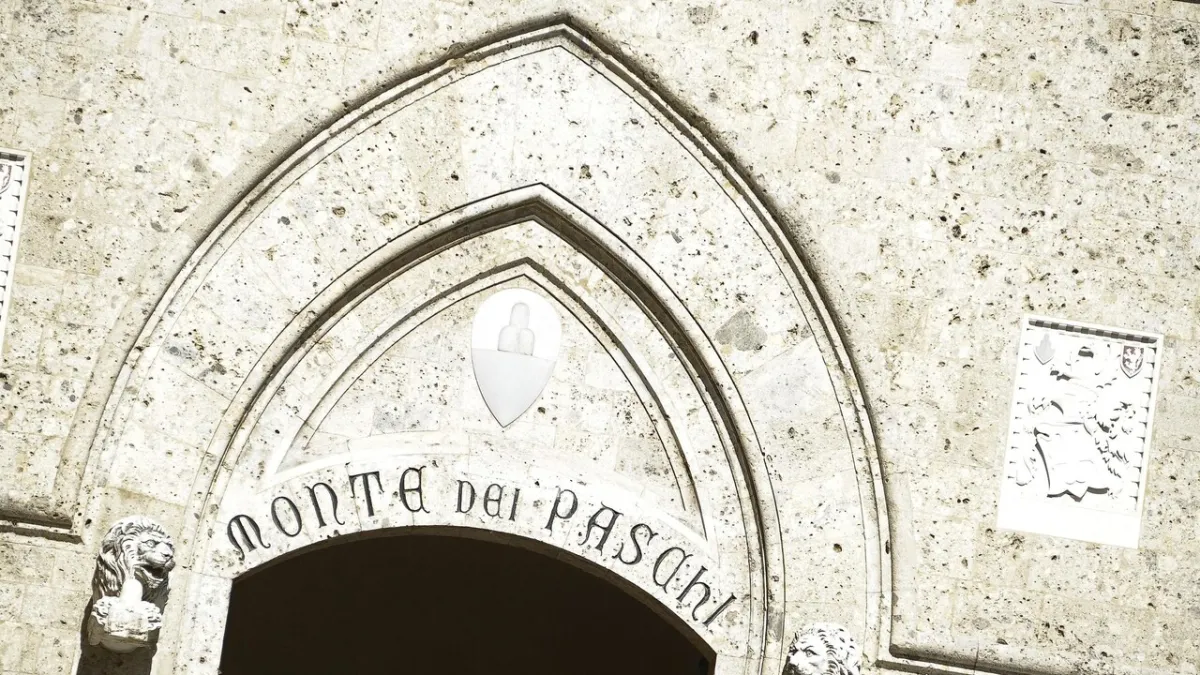
ROME – Banca Monte dei Paschi di Siena (MPS) launched a strategic maneuver that shook Italy's banking landscape in early 2026, aiming to form a colossal consortium worth 70 billion euros with Banca Popolare di Milano (BPM) and Banca Generali. This aggressive move openly challenges the dominance of Intesa Sanpaolo, signaling a new era of fierce competition within the national financial industry.
This initiative to create a new banking 'hub,' projected to have combined assets exceeding 1.1 quadrillion Indonesian Rupiah (equivalent value), is a direct response to market pressures and the urgent need to forge a more robust entity. MPS, the world's oldest bank, which has undergone various restructurings, now seeks a path to sustainable growth through synergy with other established financial institutions.
MPS's ambition was revealed through internal financial reports and high-level executive discussions leaked to the media, indicating a detailed roadmap for integration. This alliance is not merely about scale but also about diversifying services and strengthening its position in retail banking, corporate banking, and asset management segments.
BPM, with its extensive network in northern Italy, will bring a strong customer base and solid retail banking capabilities. Meanwhile, Banca Generali will complement the alliance's strength with its expertise in wealth management and investment products, creating a comprehensive financial service offering.
Market reactions to this potential mega-consolidation have been varied. Some investors view it as a bold step that could create a serious competitor for Intesa Sanpaolo, which has dominated the market. However, there are also concerns regarding the complexity of integrating three entities with distinct corporate cultures.
Financial analysts are closely monitoring potential regulatory challenges from the Italian Competition Authority and the European Central Bank. The formation of such a large entity requires stringent approvals to ensure no market distortions detrimental to competition occur. The due diligence and negotiation processes are expected to be time-consuming.
This move also reflects a broader trend of consolidation in the European banking sector, where banks strive to enhance efficiency and competitiveness amid low interest rates and stricter capital requirements. MPS's efforts to acquire and disrupt the market are not new, demonstrating their strategic aggressiveness.
Economics expert Professor Carlo Rossi from Bocconi University stated, 'If successful, this alliance could fundamentally alter Italy's banking dynamics. However, the challenges of technology integration, employee restructuring, and product harmonization will be the true test for MPS's leadership.'
Intesa Sanpaolo, currently the largest bank, is expected to closely monitor these developments and may respond with adaptive strategies or even counter-maneuvers. The increased competition is anticipated to benefit consumers through innovative products and more competitive services.
Though still in its early stages, the idea of this new banking 'hub' has sparked intense debate about the future of Italy's banking industry. Significant reputational and financial stakes underpin this strategic maneuver, with potential positive and negative implications that will be felt across the entire economy.
Editorial Insight:
MPS's endeavor to form a new banking powerhouse signifies a grand ambition to reshape Italy's financial market structure. Its success will heavily depend on management's ability to unify the operational and cultural differences of the three banks, as well as effectively navigate complex regulations. The potential to create a more agile and future-oriented entity, stepping out of Intesa's shadow, could serve as a blueprint for European banking consolidation.