 Dodi Irawan
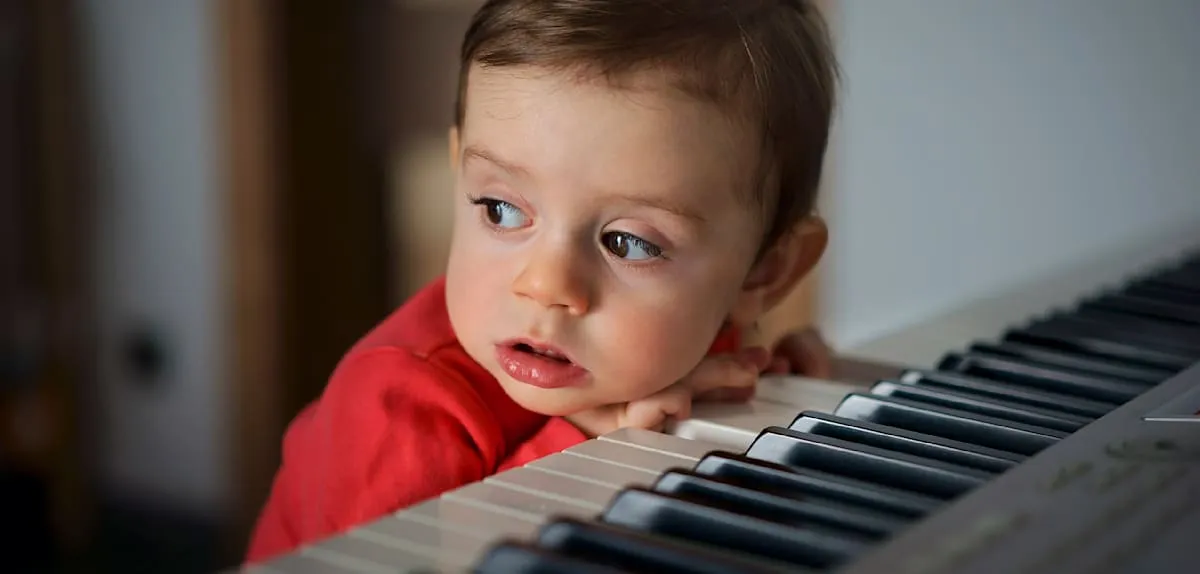
Scientists recently revealed that music stimulation from the first year of a baby's life plays a crucial role in forming the foundation of a child's musicality and intelligence in the future. This cutting-edge research provides valuable guidance for parents who wish for their children to grow with optimal musical talent, indicating when children truly begin to respond to and understand rhythm and melody.
Every parent's desire to see their child develop holistically, including in the arts, often raises a fundamental question: when is the best time to start? Recent scientific observations underscore the importance of musical exposure from an early age, long before a child can speak or even walk.
A comprehensive investigation, conducted by a multidisciplinary research team, focused on infants' neurological responses to various musical stimuli. They analyzed brain activity and behavior of children from birth to one year of age, mapping crucial points in the development of musical auditory perception.
The study's key findings indicate that babies begin to show significant signs of musical perception in the first half of their first year of life. This is not merely hearing sounds but the ability to differentiate simple melodic patterns, rhythms, and harmonies. Consistent musical routines can strengthen neural connections related to sound processing.
The implications of this discovery are vast for our understanding of early cognitive development. Music is not just enjoyable; it is a universal language that can stimulate various brain areas, including those associated with memory, language, and spatial abilities. Early exposure forms a solid foundation.
According to Dr. Anindya Paramita, a pediatric neurologist and lead researcher in this study, "Musical routines performed consistently from when babies are very young are a long-term investment in their cognitive and emotional development. We found that infant brains are highly adaptable and ready to absorb musical information earlier than we anticipated."
Parents do not need to be professional musicians to provide effective stimulation. Simply singing, playing soft classical music, or using simple musical toys suffices. The key lies in interaction and togetherness when music is introduced, creating positive and enjoyable experiences.
The researchers emphasize that these activities should be enjoyable and not forced. The goal is to cultivate a love for music and encourage natural exploration, not to train a child to become a virtuoso in a short time. Excessive pressure can actually hinder development.
Besides developing musical potential, interaction through music also strengthens the emotional bond between the baby and their caregiver. Touch, eye contact, and harmonious sounds during music sessions contribute to healthy social and emotional development.
This study also suggests that the choice of music type should be adapted to the baby's age, avoiding overly loud or complex sounds. Music with moderate tempo and clear melodies is more recommended for newborns up to six months of age.
Research of this kind continues to evolve, opening new horizons in the field of developmental neurology and child pedagogy. In 2026, our understanding of how to optimally shape children's intelligence from an early age is further enriched by solid scientific findings.
These findings indirectly challenge traditional views that often delay formal music introduction until school age. It provides a strong argument for integrating music as an integral part of a baby's learning environment from the very beginning.
Incorporating musical elements into a baby's daily life can be as simple as singing lullabies, playing toy instruments, or simply dancing together. Every musical interaction is a golden opportunity for sensory and cognitive stimulation.
Therefore, experts encourage parents and caregivers to be proactive in creating an environment rich in musical stimuli. This way, the child's musical potential and comprehensive intelligence can be maximally explored, promising a future generation that is more creative and adaptable.