 Angela Stefani
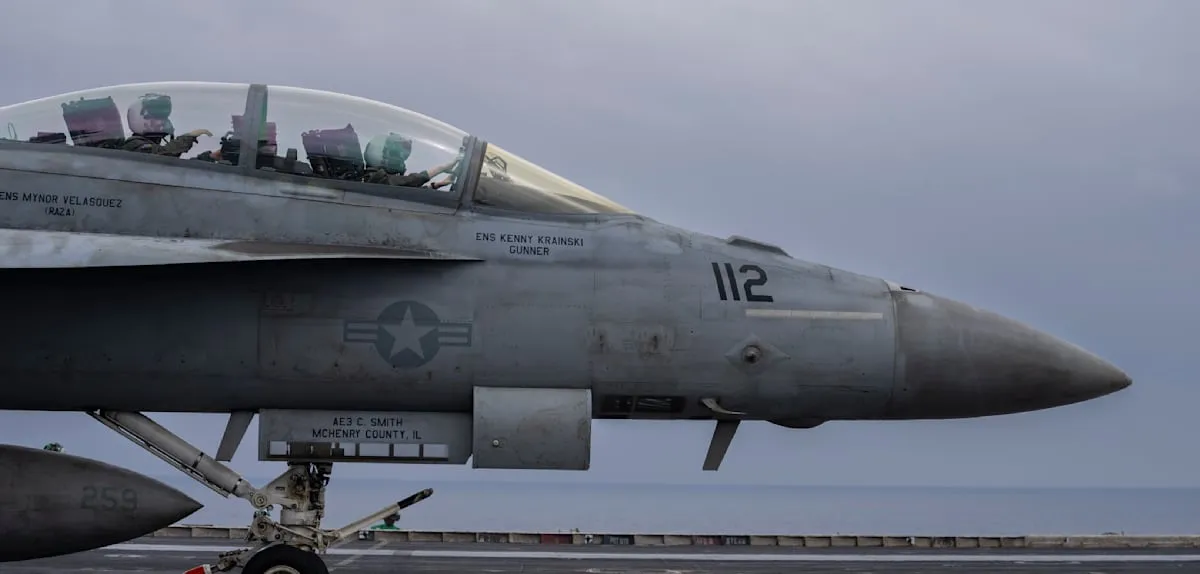
Washington — Tensions in the Middle East reached a new boiling point in early 2026, following massive United States air strikes targeting 90 locations in Iran in retaliation for Tehran's actions. Warning sirens blared in Gulf nations, including Kuwait and Bahrain, indicating the widening impact of the conflict. US President Donald Trump, back in office, surprisingly called Iran's leadership 'a bit crazy' but claimed Tehran was still interested in a deal, while Iran defiantly retorted, 'Whoever attacks will be attacked themselves.'
Tehran — The precision strikes reportedly hit various military facilities and infrastructure linked to Iran's nuclear program and proxy activities in the region. The Pentagon stated these attacks were a direct response to Tehran's 'ongoing aggression' deemed to jeopardize regional stability and allied interests.
From the White House, President Trump told reporters that this military action was a 'necessary act of retaliation.' Despite his harsh rhetoric, he also expressed contradictory optimism regarding diplomatic prospects. 'They actually want to make a deal, I believe that. But their leadership, they're a bit crazy,' Trump said, as reported by international news agencies.
Trump's comments immediately drew strong reactions from Tehran. Iran's chief negotiator, unnamed in initial reports, responded with a defiant tone. 'History proves that anyone who chooses the path of aggression against Iran will face the consequences. Whoever attacks will be attacked themselves,' he asserted, reiterating Iran's resolve for self-defense.
Kuwait — Field reports confirmed that emergency sirens sounded at several US military bases in Kuwait and Bahrain shortly after the attacks began. This incident underscores concerns about the potential for conflict escalation that could draw other Gulf nations into the cycle of violence.
Since Trump's return to leadership in early 2026, US foreign policy towards Iran has re-emphasized a 'maximum pressure' approach. This policy highlights economic sanctions and military intervention as primary tools to curb Iran's regional and nuclear ambitions. This move has drawn significant attention, given its implications for global stability.
Expert Analysis: Trump's Policy Shifts Away from Europe, NATO Wobbles in 2026?
This situation is the culmination of a long series of tensions between the two countries that have spanned decades. Proxy conflicts in Syria, Yemen, and Iraq have often served as indirect battlegrounds between the US and Iran, exacerbating bilateral relations.
New York — The international community reacted with a mixture of concern and calls for restraint. The UN urged both sides to de-escalate tensions and return to the negotiating table to seek a peaceful resolution. The biggest concern is the impact of this conflict on global oil supplies and the world economy.
Threat of Global Oil Price Hike Looms Post-US-Iran Ceasefire
Military and political analysts predict that this US move will further complicate the geopolitical map of the Middle East. Iran's potential to retaliate through proxies or even direct action against US interests and its allies remains high, creating a difficult-to-break cycle of escalation.
Geneva — Global diplomats continue to work on opening secret communication channels, hoping to prevent a full-scale conflict. However, with increasingly hardening narratives from both sides, the room for negotiation appears to be narrowing. The world watches with bated breath, hoping wisdom will overcome provocation.
The current situation in the Middle East reflects the geopolitical uncertainty of 2026, where conflicts between superpowers and regional powers can quickly change the landscape of global peace and security. The long-term implications of these attacks on the balance of power in the region remain to be seen over time.