 Chandra Wijayanto
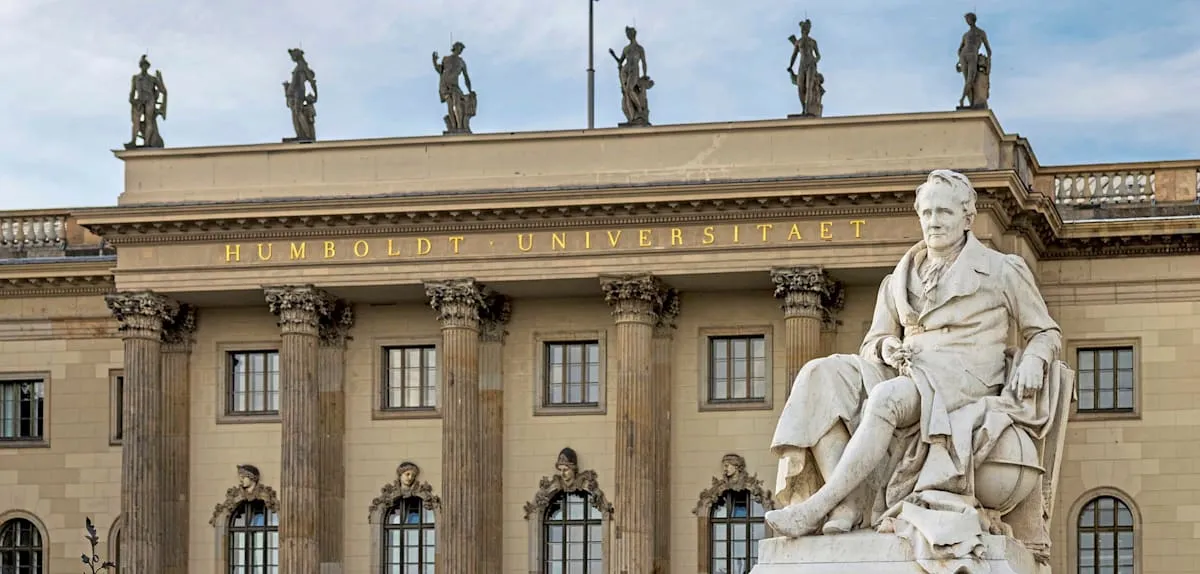
BERLIN — The Student Parliament of Humboldt-Universität (HU) Berlin rocked the global education stage in 2026 by formally calling for a boycott of Israel and endorsing the Boycott, Divestment, Sanctions (BDS) movement. This controversial decision immediately triggered a strong reaction from the university leadership, which promised to impose serious consequences. The incident adds to a long list of antisemitic cases that have frequently tarnished the reputation of one of Germany's leading educational institutions.
This declaration of support for BDS by student representatives is not just a mere statement. The BDS movement, which aims to pressure Israel to comply with international law, is often accused of promoting antisemitism. Jewish groups and many politicians in Germany consistently condemn BDS as an antisemitic movement, although its proponents insist that their campaign is solely anti-Zionist and pro-Palestinian.
Humboldt-Universität's leadership, which has long faced criticism regarding its handling of antisemitic incidents on campus, responded to this move by the Student Parliament with a stern tone. In an official statement released shortly after the announcement, the rectorate emphasized the university's commitment to creating a learning environment free from discrimination and hatred. "We will not tolerate any form of antisemitism on our campus, and this call for a boycott potentially violates these fundamental principles," a university spokesperson stated on Monday.
This commitment aligns with the German Bundestag's 2019 resolution, which classified BDS as an antisemitic movement and condemned its support. This resolution serves as a guideline for public institutions, including universities, in determining their stance on BDS. Therefore, the HU Berlin Student Parliament's support for BDS can be seen as a rejection of the prevailing political and ethical consensus in Germany.
Previously, HU Berlin has repeatedly been in the spotlight due to alleged antisemitic incidents, ranging from vandalism to hate speech on online platforms. These cases have raised serious concerns among the Jewish community and the general public regarding safety and inclusivity on campus. This decision by the student parliament is expected to further complicate the atmosphere and deepen the debate.
Several legal and educational experts consider the university leadership's move to impose consequences to be a dilemma. On one hand, there is the principle of freedom of opinion and expression, highly valued in academic environments. However, on the other hand, this principle must not conflict with anti-discrimination laws and campus policies that prohibit the promotion of hatred or discrimination.
The discussion regarding the boundaries of academic freedom and social responsibility becomes even more crucial in this context. How the university balances students' rights to voice their political views with its obligation to protect all its members from discrimination, especially antisemitism, poses a significant challenge.
The Berlin city government and German federal agencies are also paying close attention to developments at Humboldt-Universität. This case is not just an internal campus issue but reflects broader dynamics within German society grappling with issues of identity, history, and international relations. Similar issues, albeit in a different context, were also debated when Germany in Turmoil: AfD Support Plunges, Government Reforms Criticized by Public, showing continuous political and social tension in the country.
Observers predict that the university leadership's response to this boycott call will set an important precedent for other educational institutions in Germany and even across Europe. The decisions made will determine how the line between student activism and anti-discrimination policies will be enforced in the future.
Currently, specific details regarding the form of consequences to be imposed are unavailable. However, speculation ranges from withdrawal of official recognition for the Student Parliament, funding cuts, to disciplinary investigations against involved members. The campus community now anxiously awaits the concrete steps that will be taken by the HU Berlin rectorate to address this crisis.